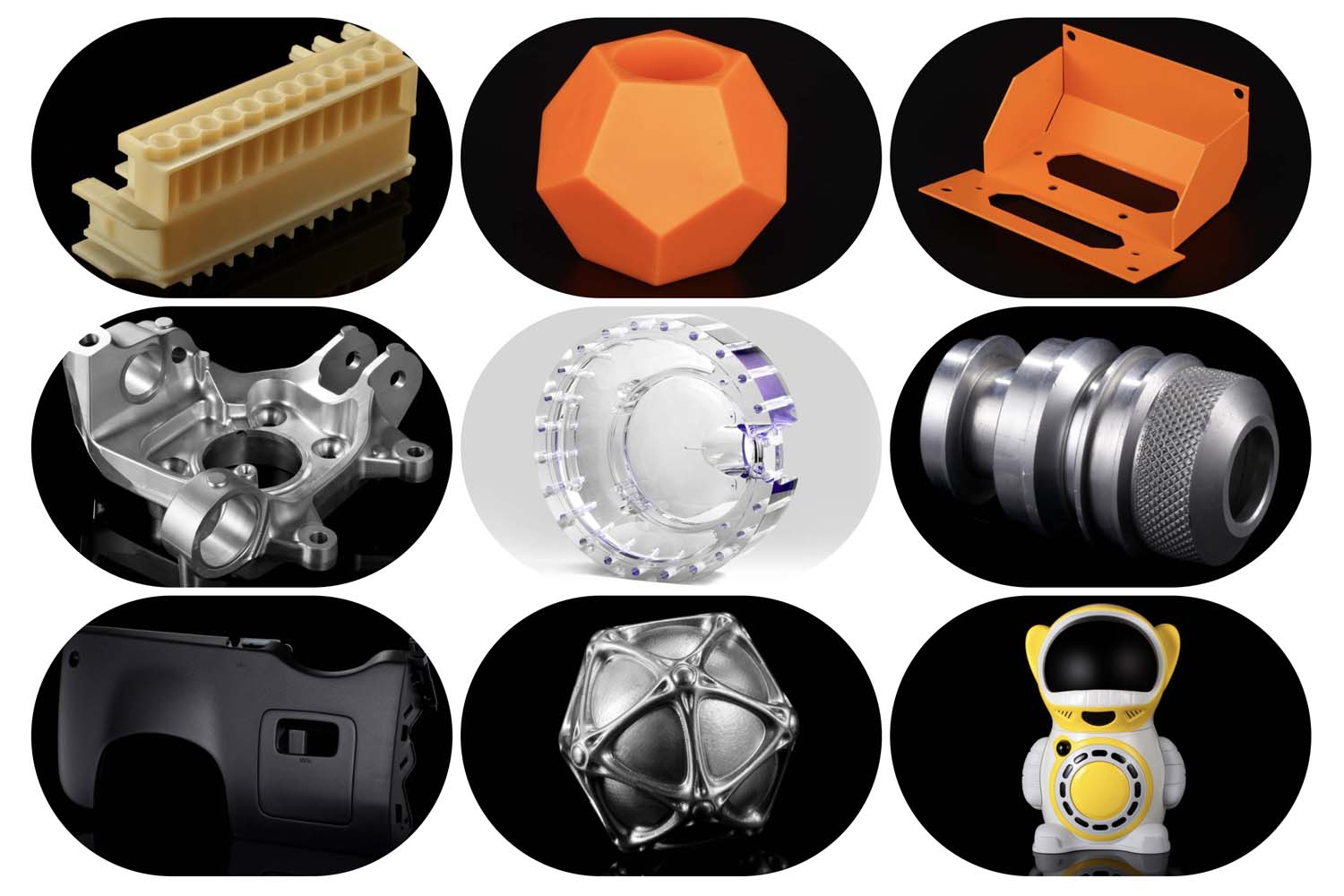
The useful answer to ‘what is CNC machining’ goes beyond computer-controlled cutting. CNC machining is a process system that converts geometry into toolpaths, toolpaths into controlled operations, and operations into repeatable parts through datums, fixturing, and measurement.
Quick answer
CNC machining is the controlled process of using programmed machine operations, fixtures, and inspection to produce parts repeatedly within the required tolerance and finish window.
Customer pain points this article solves
- Basic definitions that ignore how datums and fixturing control the real result.
- Teams assuming the machine alone guarantees precision without process planning.
- Buyers underestimating how routing choices create cost and quality risk.
Key engineering parameters
| Parameter | Typical engineering range | Why it matters |
|---|---|---|
| Datum strategy | Primary, secondary, tertiary references | Defines how the part is located and checked |
| Toolpath choice | Roughing, semi-finishing, finishing | Affects distortion, time, and finish |
| Fixture control | Location and clamp repeatability | Protects geometry across the route |
| Capability check | Stable process versus one good sample | Shows whether the route can really hold tolerance |
Application fit by scenario
| Scenario | Typical risk | Preferred engineering focus |
|---|---|---|
| Prototype learning | Validate datum and route assumptions | |
| Repeat production | Move from one sample to stable batches | |
| Complex multi-face parts | Protect inaccessible or sensitive features | |
| Cost-reduction reviews | Use DFM to remove nonfunctional expense |
Datums are the backbone of machining accuracy
A part cannot be machined or inspected coherently unless the route knows which references matter. Datums connect design intent with shop execution.
Toolpaths are manufacturing decisions
Programming is not just code generation. Toolpaths decide where heat, force, and stock removal happen, and those decisions shape both time and quality.
Precision comes from the process, not the brochure
Machine quality matters, but repeatable precision depends on fixturing, route discipline, and measurement. That is why process capability is more important than one successful sample.
Related path
Use the CNC machining service page as the main reference and compare it with 신속한 프로토타이핑 그리고 5-axis machining when geometry or setup risk changes the route.
Why this matters in production
Understanding CNC machining as a process chain leads to better design, sourcing, and quality decisions. That is the definition that matters in production.