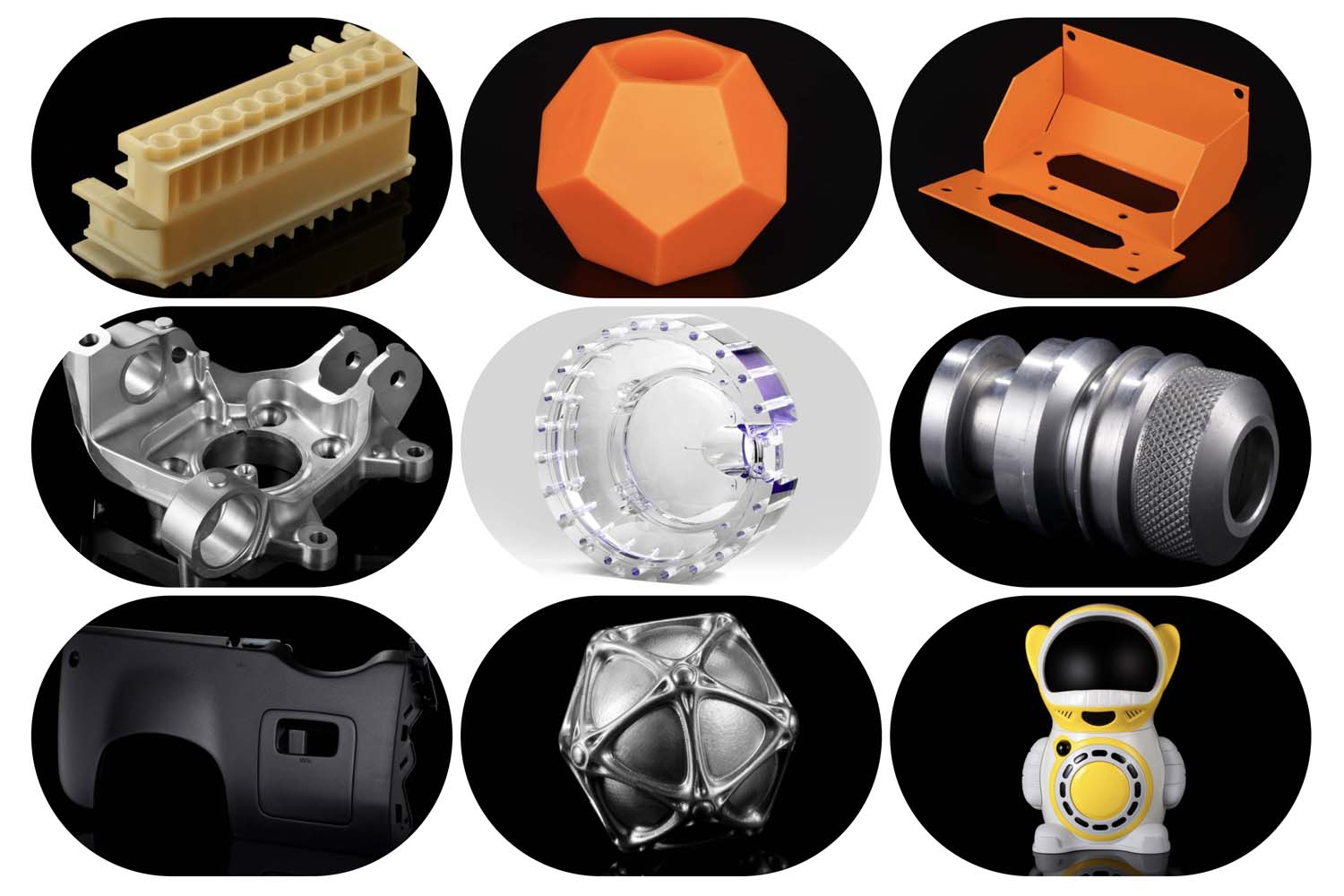
OEM Parts CNC Machining Guide for Production Buyers
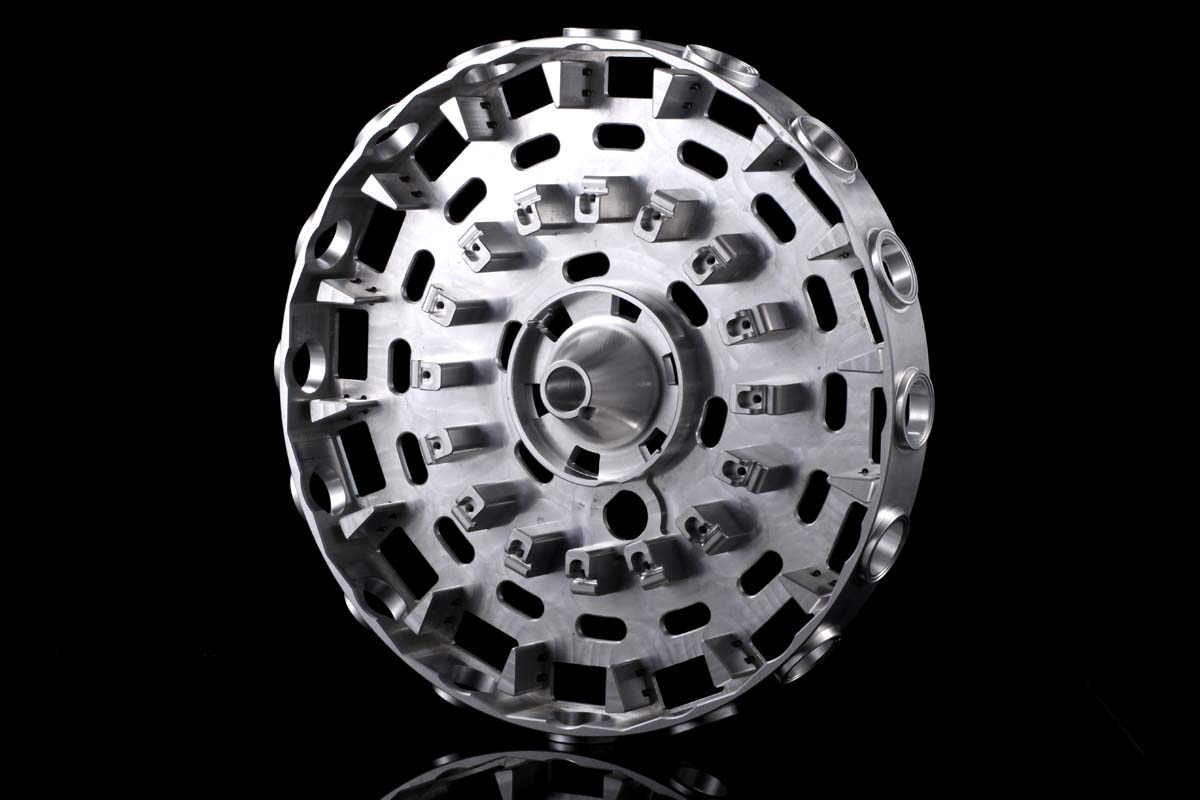
OEM parts CNC machining should begin with drawings, NDA needs, material, tolerance, finish, first article approval, packaging, and repeat order expectations. The supplier should confirm revision control before production starts.
Customer Pain Points Behind oem parts cnc machining
Buyers searching for oem parts cnc machining usually have a real sourcing or engineering problem, not a casual browsing need. The common pain is that OEM buyers need a reliable outsourced machining partner but often worry about drawing confidentiality, revision control, and inconsistent repeat orders. A simple product name does not tell the factory enough about application conditions, quantity, packaging, compliance, installation, or delivery schedule. When these details are missing, the quotation may be fast, but the model, material, or configuration can still be wrong for the project.
For Bole Solutions, this topic should be handled as a B2B selection issue. Typical buyers include hardware startups, machinery brands, robotics companies, automotive part buyers, medical device teams, engineers, and purchasing managers. They need a supplier who can connect the keyword to measurable parameters, batch consistency, export packing, and after-sales communication. A contractor may care about installation risk and acceptance checks. A distributor may care about repeatable SKU planning and private label packaging. An OEM buyer may need drawings, samples, and clear confirmation before placing a trial order.
The deeper purchasing risk is incomplete communication. Many inquiries ask only for price, but a factory needs the operating environment, technical target, quantity, destination country, and customization details before recommending a reliable option. Clear sourcing content must therefore qualify the buyer while explaining the selection logic. It should help the buyer prepare a better RFQ and help the supplier avoid low-quality inquiries that do not match project, wholesale, or OEM purchasing.
Product Parameters B2B Buyers Should Confirm
For oem parts cnc machining, the buyer should confirm part function, NDA needs, drawing revision, material grade, tolerance, surface finish, assembly interface, first article inspection, packaging, and order quantity. These specifications are not decorative. They decide whether the product can work under real site conditions, whether the sample can pass approval, and whether repeat orders will remain consistent. The recommended route is to connect the required application with the product family, then compare performance, material, testing, and delivery requirements before asking for a final quote.
| Buyer Need | Recommended Product | Key Specification | Why It Matters |
|---|---|---|---|
| Project fit | OEM CNC machined parts | drawing package, material, tolerance | prevents quoting errors and avoids repeated engineering clarification |
| Stable quality | OEM CNC machined parts | inspection method and finish standard | keeps sample approval and batch production consistent |
| Bulk supply | Customized CNC machining services | Quantity, packaging, labeling, lead time | Helps distributors and contractors plan repeatable delivery |
| Technical selection | Application-matched solution | Working environment, drawings, testing needs | Reduces sample rejection and field failure risk |
The buyer should also clarify whether the order is for a tender, a sample approval, distributor inventory, OEM branding, or a project shipment. A trial order may focus on validation, while a project order also requires batch inspection, documentation, packaging photos, delivery planning, and clear communication before shipment.
How the Product Solves the Customer's Pain
Bole helps OEM buyers by reviewing drawings, controlling engineering changes, planning inspection, and preparing export packaging that supports repeat purchasing.
The practical solution is to move from a broad keyword to a controlled selection process. First, define the application: branded equipment components, robotics assemblies, automotive accessories, medical device parts, and custom industrial hardware. Second, confirm the measurable parameters. Third, check whether a standard model is enough or whether OEM/ODM customization is needed. Finally, confirm quantity, packaging, inspection documents, and delivery schedule before production.
This approach protects the buyer from choosing only by price or appearance. It also gives the factory enough information to recommend a model, identify possible risks, and prepare a quote that can actually be used for procurement approval. For export buyers, this is especially important because mistakes discovered after shipment can cause project delays, warranty disputes, or expensive replacement work.
Best For / Suitable For / Not Suitable For
Best for: OEM companies that need custom machined parts for branded products and repeat supply.
Suitable for: hardware startups, machinery brands, robotics companies, automotive part buyers, medical device teams, engineers, and purchasing managers who need bulk supply, project support, technical selection, sample approval, OEM/ODM customization, private label packaging, or repeat purchasing.
Not suitable for: students looking for CNC courses, job seekers, hobby-only questions, one-piece personal repair requests, or buyers without drawings, material, tolerance, quantity, or delivery requirements.
Application Scenarios
A branded hardware company may launch a new machined assembly. The buyer needs sample approval, consistent finish, and clear packing labels before market delivery.
In this kind of scenario, the buyer cannot choose only by the product title. The correct decision depends on load, environment, material, interface, installation, duty cycle, safety margin, inspection standard, and delivery responsibility. If the buyer sends photos, drawings, target specifications, and expected quantity, the factory can respond with a more accurate recommendation and avoid generic pricing.
Quality Control and Customization
Quality control should include drawing review, material verification, dimensional inspection, tolerance checks, surface finish review, first article confirmation, in-process inspection, final packing check, and traceable communication for engineering changes.
Customization should be discussed before quotation, not after production. Options may include material, tolerance, surface finish, heat treatment, anodizing, plating, polishing, engraving, assembly, inspection report, NDA handling, packaging, and export documentation. The final scope depends on order quantity, technical feasibility, testing requirements, and lead time. For B2B buyers, the most important point is to confirm what must be standard, what can be customized, and what needs sample approval before mass production.
RFQ Checklist
For an accurate quotation, please provide:
- Product model or application
- Project country and working environment
- Required quantity and expected delivery schedule
- Key specifications, drawings, photos, or sample reference
- Custom logo, color, packaging, labeling, or OEM requirement
- Certification, inspection, or testing requirement
- Shipping method, container planning, or distributor packing needs
FAQ
What information should I provide before requesting a quote?
Please provide the application, country, quantity, key specifications, drawings or photos if available, packaging requirement, certification requirement, and delivery schedule. For project or OEM orders, also include the target market, expected service condition, and whether a sample approval process is required.
How do I choose the right model for my project?
Start from the actual working condition and compare part function, NDA needs, drawing revision, material grade, tolerance, surface finish, assembly interface, first article inspection, packaging, and order quantity before comparing price. If the project has special installation, safety, environmental, branding, or documentation requirements, send those details early so the supplier can check the correct configuration.
Can this product be customized for OEM or project use?
Yes. Customization can usually cover size, material, color, logo, packaging, labels, manuals, accessories, and project-specific configuration. Feasibility depends on quantity, tooling needs, technical limits, and testing requirements.
What quality documents should B2B buyers check?
Ask for specification sheets, inspection standards, test records when available, product photos, packing photos, and shipment information that matches the product category and destination market. For repeat orders, also confirm batch consistency and spare parts or after-sales communication.
How long does production or delivery usually take?
Lead time depends on quantity, customization, material availability, sample approval, production schedule, inspection, and shipping route. Standard products are usually faster, while OEM or project orders need time for confirmation, production, inspection, and export packaging.
Internal Links
CTA and Lead Qualification Questions
Need OEM parts CNC machining? Send drawings, NDA request, material, tolerance, finish, quantity, logo or packaging needs, and delivery schedule.
Lead qualification questions:
- What is the application or project scenario?
- What quantity do you need for the first order?
- What specifications, drawings, or samples can you provide?
- What customization, logo, packaging, or documentation is required?
- What is the destination country and delivery schedule?
- Are you buying for a project, distribution, OEM brand, or internal production use?