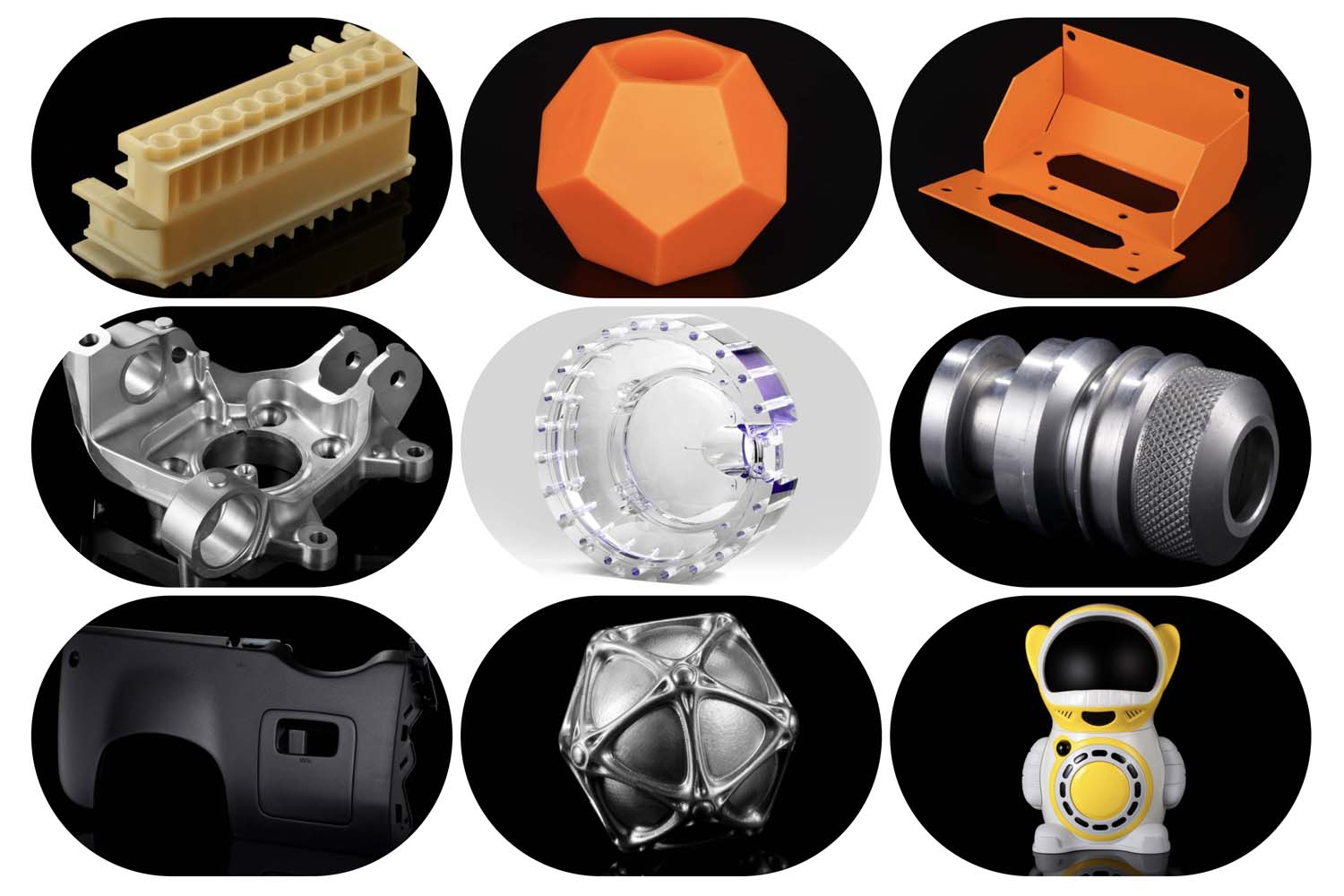
CNC Machining Process in China A Strategic Advantage for Global Manufacturers The CNC machining process has become a cornerstone of modern precision manufacturing, enabling the production of complex, high-tolerance components across aerospace, medical, automotive, and electronics industries.
In recent years, China has emerged not only as a major hub for CNC machining but as a globally competitive center for quality, scalability, and technological sophistication.
Understanding how the CNC machining process operates within China’s industrial ecosystem—and why partners like Bole Solutions stand out—is essential for sourcing managers, product developers, and procurement professionals seeking reliable, cost-effective, and technically capable manufacturing support.
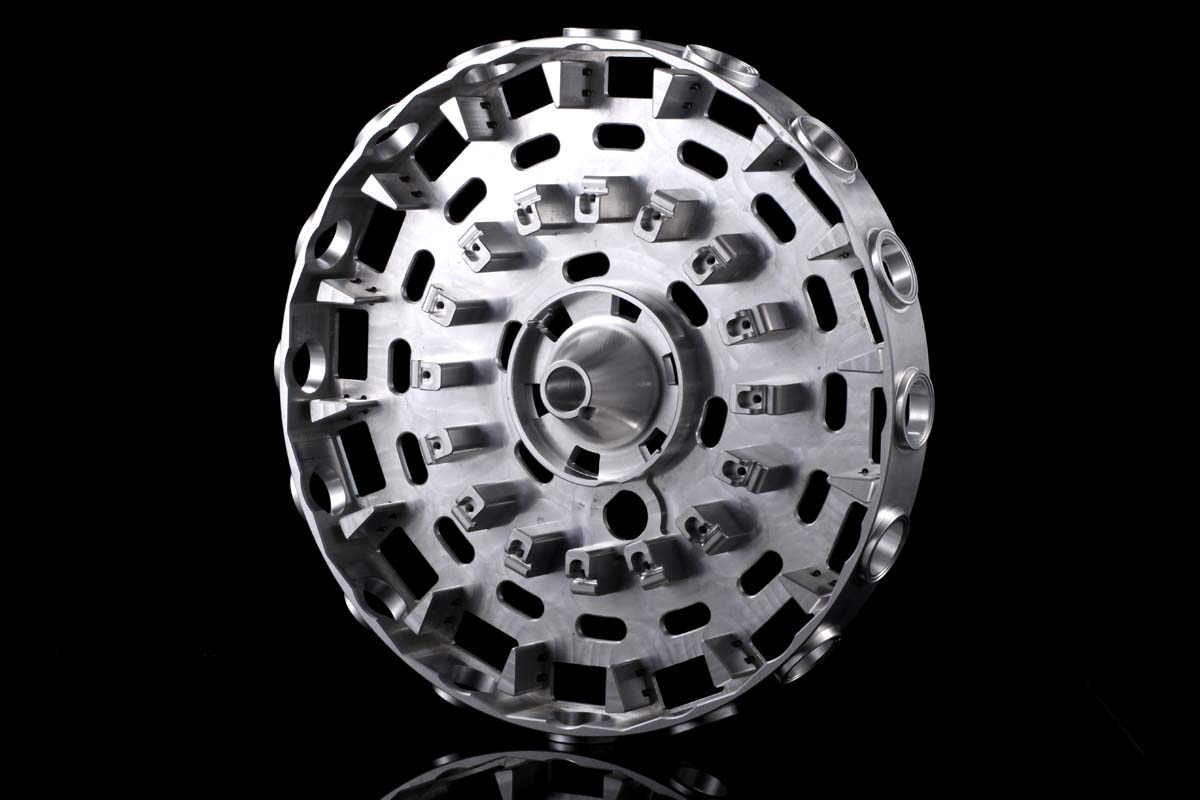
What Defines the CNC Machining Process At its core, the CNC machining process involves using computer-controlled machine tools—such as mills, lathes, grinders, and routers—to remove material from a workpiece with extreme accuracy.
Unlike manual machining, CNC systems execute pre-programmed instructions (G-code) that dictate tool paths, speeds, feeds, and depths of cut.
This automation ensures repeatability, tight tolerances (often within ±0.005 mm), and consistency across large production runs.
Key stages include design validation via CAD/CAM software, material selection (aluminum, stainless steel, titanium, plastics), fixturing, multi-axis cutting, in-process inspection, and final surface finishing.
The entire workflow demands integration of engineering expertise, equipment calibration, metrology, and rigorous quality control—all areas where China’s top-tier providers have made significant investments.
China’s Evolution in CNC Capabilities China’s rise in CNC machining is not defined by low-cost labor alone—it reflects decades of strategic infrastructure development, vocational training expansion, and domestic innovation in machine tool design and automation.
Today, Chinese manufacturers operate advanced 3-, 4-, and 5-axis CNC centers from global leaders like DMG MORI, Mazak, and Haas—as well as increasingly capable domestic brands such as Hwacheon and Qilu.
Many facilities are ISO 9001 and IATF 16949 certified, with growing adoption of Industry 4.0 technologies: real-time monitoring, predictive maintenance, digital twin simulation, and automated material handling.
Government initiatives like “Made in China 2025” have further accelerated R&D in smart manufacturing, pushing suppliers to upgrade capabilities beyond basic turning and milling toward high-mix, low-volume prototyping and mission-critical component production.
Why Global Companies Choose China for CNC Machining Several compelling factors drive international demand for the CNC machining process in China.
First, vertical integration is unmatched—suppliers often manage everything from raw material procurement and heat treatment to anodizing, plating, and final assembly.
Second, lead times remain highly competitive; many providers deliver functional prototypes in under 10 days and production parts in 2–4 weeks, supported by robust logistics networks and bonded warehousing options.
Third, scalability is seamless: whether producing 10 precision housings or 10,000 identical brackets, Chinese CNC shops adjust capacity without compromising quality standards.
Importantly, rising domestic demand for high-end manufacturing has incentivized continuous improvement—not just in equipment, but in engineering support, documentation traceability, and cross-cultural project management.
Navigating Quality and Communication Challenges Despite its advantages, selecting the right partner for the CNC machining process in China requires due diligence.
Not all suppliers maintain equivalent standards in process validation, measurement accuracy, or material certification.
Language barriers, time zone differences, and inconsistent documentation practices can introduce risk—especially for regulated sectors like medical device manufacturing or aerospace.
Successful partnerships rely on transparency at every stage: clear RFQ specifications, shared GD&T understanding, first-article inspection reports, and open communication channels.
Suppliers who invest in bilingual engineering teams, provide real-time shop floor updates, and welcome third-party audits tend to deliver more predictable outcomes.
Bole Solutions A Trusted Partner for Precision CNC Machining Among China-based CNC providers, Bole Solutions distinguishes itself through a disciplined, customer-centric approach to the CNC machining process.
Founded with a focus on engineering excellence rather than volume alone, Bole serves clients across North America, Europe, and APAC with a portfolio spanning rapid prototyping, bridge tooling, and full-scale production.
What sets them apart begins with their technical foundation: a modern facility equipped with over 80 CNC machines—including high-precision Swiss-type lathes, 5-axis machining centers, and multi-tasking platforms—complemented by in-house CMM labs, optical comparators, and surface roughness testers.
Every part undergoes full dimensional verification against customer prints, with comprehensive FAI documentation available upon request.
Equally important is Bole Solutions’ operational philosophy.
Their engineering team collaborates early in the design phase to conduct manufacturability reviews, suggest cost-saving modifications without compromising function, and recommend optimal materials and finishes.
They maintain strict control over supply chain integrity—sourcing certified raw stock from reputable mills and retaining full traceability from heat lot to finished part.
For international clients, Bole assigns dedicated account engineers fluent in English and familiar with regional compliance requirements (e.g., RoHS, REACH, FDA-grade finishes).
Their ERP-integrated system enables real-time order tracking, while standardized reporting—PPAP packages, control plans, and SPC data—ensures alignment with global quality expectations.
Strategic Considerations for Long-Term Success Engaging a Chinese CNC machining partner should be viewed as a long-term collaboration—not a transactional sourcing decision.
Companies achieving the best results treat their supplier as an extension of their engineering and operations teams.
This means investing time in factory audits (virtual or on-site), co-developing quality agreements, and aligning on continuous improvement goals.
It also means recognizing that the most valuable CNC machining process outcomes emerge not from lowest bids, but from shared commitment to precision, accountability, and mutual growth.
Conclusion The CNC machining process in China represents a powerful convergence of capability, efficiency, and innovation.
As global supply chains evolve, manufacturers who leverage China’s advanced machining ecosystem—guided by experienced, transparent partners—gain measurable advantages in speed-to-market, design flexibility, and total landed cost.
Bole Solutions exemplifies this evolution: combining state-of-the-art equipment, rigorous quality systems, and responsive engineering support to deliver precision components that meet the highest international standards.
For companies evaluating their next CNC machining partner, the choice is clear—not just where the machines are located, but who operates them, how they think, and what they stand for.
In today’s competitive landscape, those distinctions make all the difference.