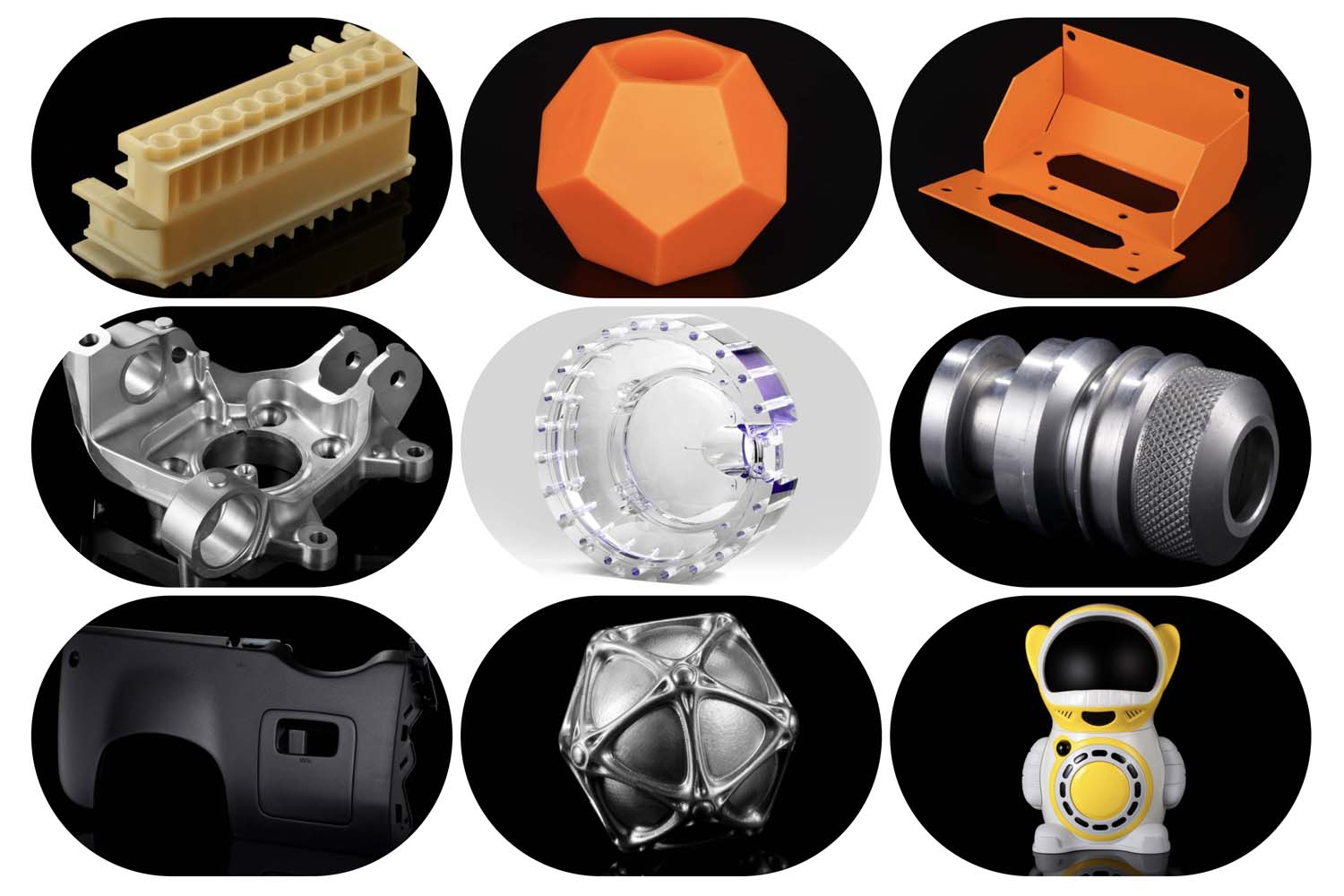
CNC Machining for Medical Industry in China: Precision, Compliance, and Strategic Sourcing The global medical device sector demands components that meet exacting standards—tight tolerances, biocompatible materials, repeatable quality, and full traceability.
As innovation accelerates and supply chains evolve, more medical device manufacturers are turning to China not just for cost efficiency, but for its rapidly maturing advanced manufacturing ecosystem.
At the heart of this shift is CNC machining for medical industry applications—a discipline where precision engineering, regulatory awareness, and process discipline converge.
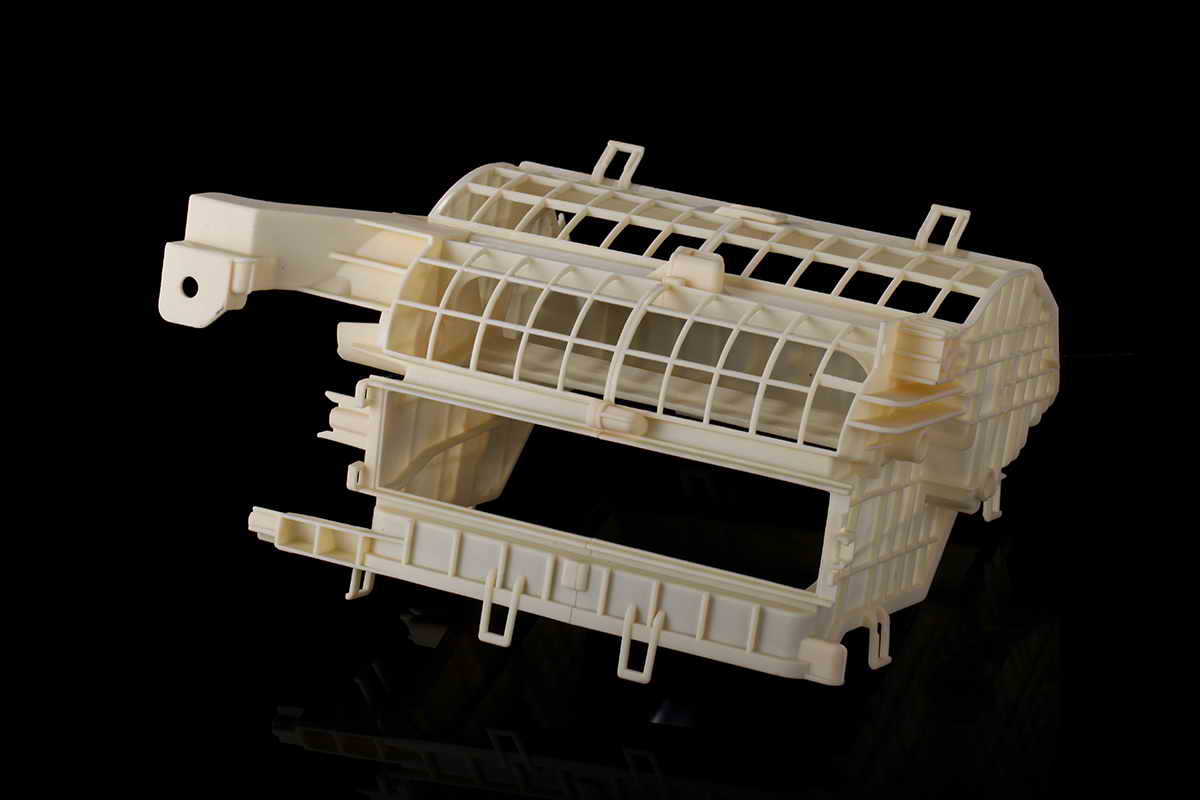
When executed correctly, Chinese CNC machining delivers world-class results aligned with ISO 13485, FDA QSR, and MDR requirements.
This article explores why China has become a trusted partner for medical-grade CNC work—and how selecting the right partner makes all the difference.
China’s CNC Capabilities Have Matured Significantly Over the past decade, China’s precision manufacturing infrastructure has undergone a transformation.
Leading facilities now operate state-of-the-step 5-axis milling centers, Swiss-type lathes, multi-tasking machines, and high-accuracy grinding systems—all supported by in-house metrology labs equipped with CMMs, optical comparators, and surface roughness testers.
Unlike earlier perceptions, today’s top-tier Chinese suppliers invest heavily in workforce training, equipment calibration, and digital process control.
Many have achieved ISO 13485 certification—the international standard specific to medical device quality management—and maintain documented procedures for design transfer, change control, and nonconformance handling.
These capabilities directly support critical medical components such as surgical instrument housings, orthopedic implant fixtures, diagnostic housing assemblies, and fluidic manifolds used in life-support devices.
Regulatory Alignment Is Non-Negotiable CNC machining for medical industry applications isn’t just about cutting metal or plastic—it’s about building trust into every step.
Materials must be certified to ASTM F136 (titanium), ASTM F2229 (cobalt-chrome), or USP Class VI for polymers.
Surface finishes must comply with ISO 10993 biocompatibility guidelines.
Documentation must include full material certifications, heat treat reports, inspection records, and lot traceability down to the raw bar stock.
In China, only a select group of contract manufacturers consistently demonstrate this level of rigor.
These partners understand that audit readiness isn’t optional—it’s embedded in daily operations.
They maintain electronic quality management systems, conduct internal supplier audits, and align their documentation practices with FDA expectations—even when serving non-U.S.
clients.
Why Choose China Over Traditional Manufacturing Hubs?
Cost remains a factor, but it’s no longer the primary driver.
What sets China apart today is scalability without compromise.
A U.S.-based OEM developing a new minimally invasive surgical tool may need 50 prototypes, then 500 units per month at launch, scaling to 5,000+ within 18 months.
Few domestic shops can flex that quickly while maintaining first-article consistency.
Chinese facilities with dedicated medical cells offer rapid ramp-up, parallel capacity across multiple shifts, and access to an extensive domestic supply base for ancillary services—electropolishing, passivation, laser marking, cleanroom assembly, and sterilization validation support.
Moreover, China’s robust logistics network ensures reliable air and sea freight options, with many suppliers managing export compliance—including FDA registration and CE technical file coordination.
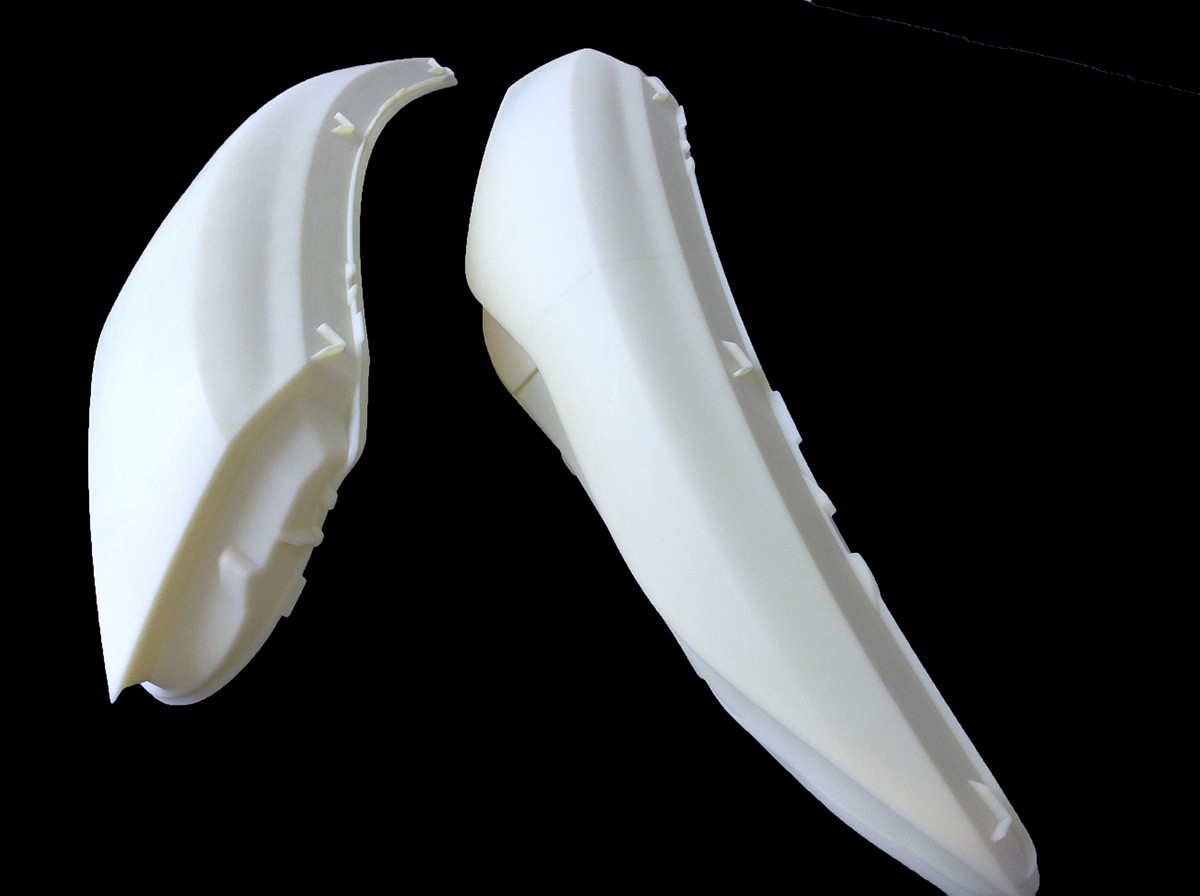
The Critical Role of Partnership—Not Just Procurement Sourcing CNC machining for medical industry projects requires more than quoting and PO processing.
It demands collaborative engineering support from concept through production.
The most successful engagements begin with Design for Manufacturability (DFM) reviews—where experienced CNC engineers identify potential issues before tooling begins: undercuts that require EDM, thin walls prone to chatter, or tight-tolerance features best addressed via secondary operations.
Suppliers with deep medical experience also assist with material selection trade-offs, tolerance stack-up analysis, and GD&T interpretation.
They serve as an extension of the OEM’s engineering team—not a black box vendor.
Bole Solutions: Bridging Precision, Compliance, and Partnership Among China’s growing pool of medical-focused CNC providers, Bole Solutions stands out for its deliberate, client-centric approach.
Founded by engineers with decades of combined experience in orthopedics, diagnostics, and interventional devices, Bole Solutions built its operation around three pillars: certified medical-grade processes, transparent communication, and responsive problem-solving.
Every production cell is ISO 13485 certified, with annual surveillance audits conducted by TÜV SÜD.
Their facility includes a Class 7 cleanroom for final assembly and packaging of sensitive components, and they maintain long-standing relationships with accredited third-party labs for biocompatibility testing and corrosion resistance validation.
What differentiates Bole Solutions is how they integrate into the product development lifecycle.
They routinely co-develop fixture designs with clients, implement real-time shop floor data collection for SPC reporting, and provide full revision-controlled documentation packages—including First Article Inspection Reports compliant with AS9102 standards.
Their project managers are trained in APQP and PPAP methodologies, ensuring smooth transitions from prototype to volume production.
Importantly, Bole Solutions does not subcontract core CNC work—they own and operate all machining assets, giving them direct control over scheduling, quality, and continuous improvement.
Strategic Considerations for Medical Device Companies Before engaging any Chinese CNC provider, medical OEMs should verify three essentials: active ISO 13485 certification with scope covering machining and assembly, documented experience with similar device classifications (Class II vs.
Class III), and evidence of prior FDA inspections or successful audits by major European Notified Bodies.
Request sample documentation packets and ask for references from clients in comparable therapeutic areas.
Also assess responsiveness—timely answers to technical questions and willingness to share process capability studies (Cpk/Ppk) signal operational maturity.
Looking Ahead As medical technology grows more sophisticated—think microfluidic chips, robotic surgery end-effectors, and AI-integrated monitoring devices—the demand for ultra-precision CNC machining will only intensify.
China’s role in this landscape is no longer peripheral; it’s strategic.
But success hinges on partnership depth, not geographic convenience.
Choosing a supplier like Bole Solutions means gaining a collaborator who understands the weight of regulatory responsibility, the nuance of medical-grade materials, and the urgency of bringing life-enhancing devices to market—accurately, reliably, and on time.
For medical device companies seeking CNC machining for medical industry applications that balance precision, compliance, and scalability, China offers compelling advantages—when partnered with the right manufacturer.
Bole Solutions exemplifies how disciplined execution, regulatory fluency, and engineering collaboration turn global sourcing into a competitive advantage.