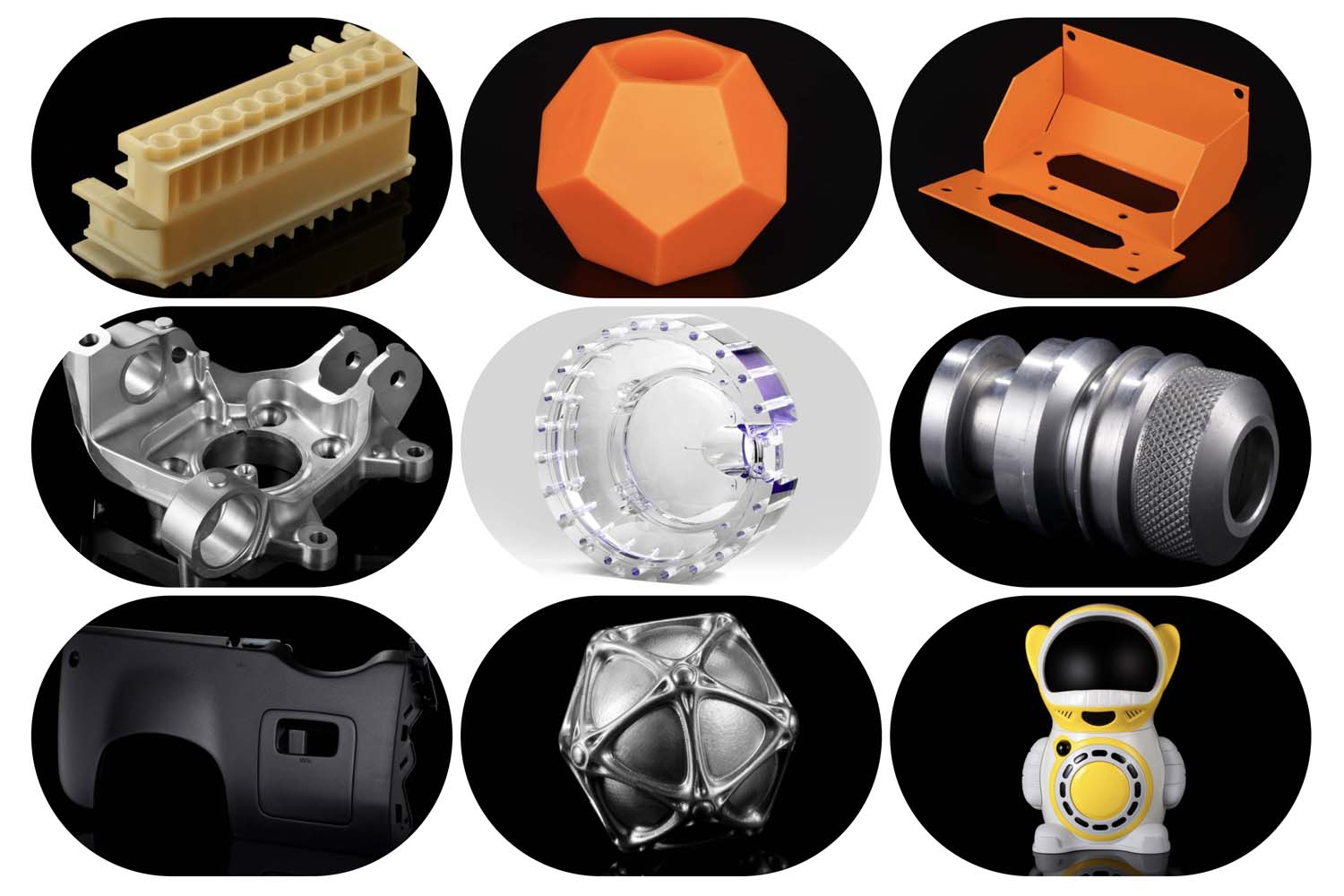
CNC Machining in China A Strategic Advantage for Acrylic CNC Machining Projects China has emerged as a global leader in precision manufacturing, particularly in computer numerical control (CNC) machining.
Among the many materials processed, acrylic stands out for its optical clarity, impact resistance, and versatility in signage, medical devices, lighting fixtures, and architectural applications.
When it comes to acrylic CNC machining, China offers unmatched scale, technical capability, and cost efficiency—making it a top destination for international designers, engineers, and procurement teams seeking high-quality, repeatable results.
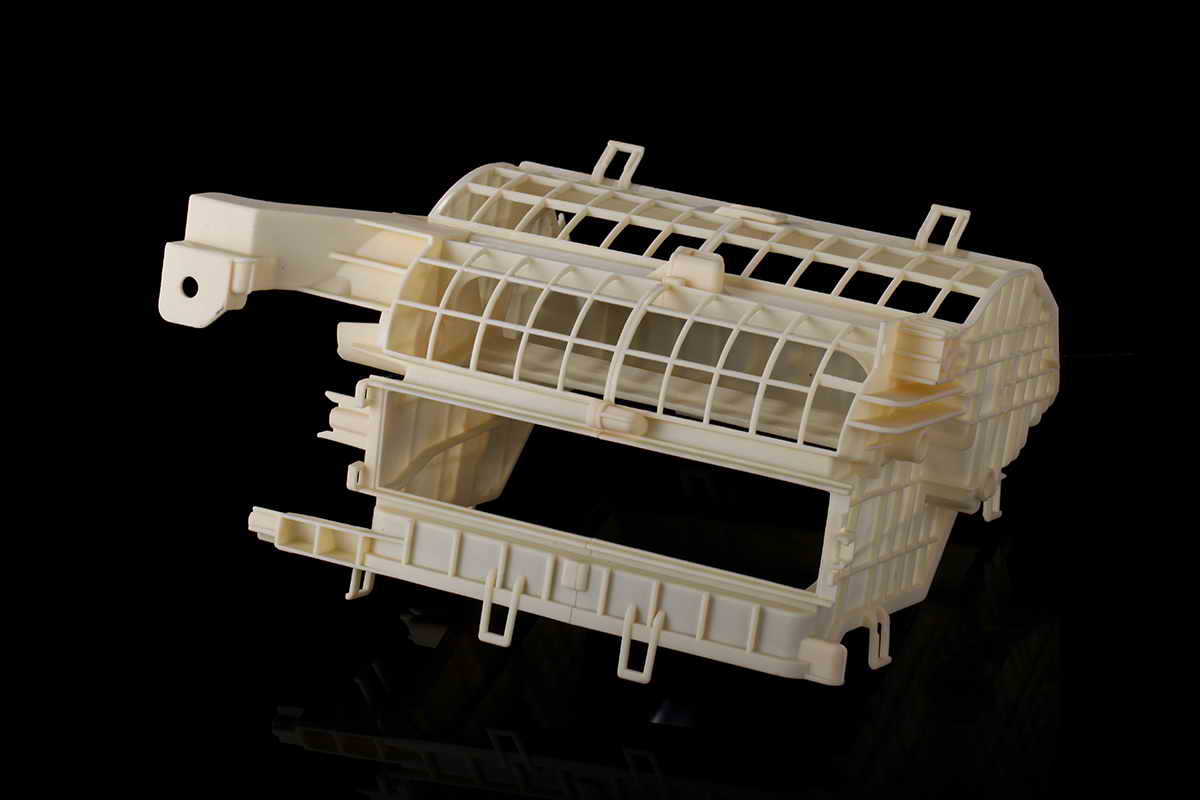
Why Acrylic CNC Machining Demands Precision Acrylic, or polymethyl methacrylate (PMMA), is a thermoplastic with unique machining characteristics.
Unlike metals, it lacks ductility and is prone to chipping, melting, or cracking if cutting parameters are misaligned.
Successful acrylic CNC machining requires tight control over spindle speed, feed rate, tool geometry, and cooling—often using air blasts instead of liquid coolants to prevent thermal distortion or surface haze.
Even minor deviations can compromise edge finish, dimensional accuracy, or light transmission properties—critical factors in display and optical applications.
This precision dependency means that not all CNC providers deliver consistent outcomes.
Choosing a partner with deep material-specific expertise—and proven acrylic machining protocols—is essential.
China’s Competitive Edge in CNC Manufacturing China’s dominance in CNC machining stems from decades of industrial investment, an extensive ecosystem of machine tool suppliers, and a highly skilled labor force trained in both traditional craftsmanship and digital manufacturing workflows.
Over 60 percent of the world’s CNC milling and turning centers operate in China, supported by robust infrastructure for raw material sourcing, rapid prototyping labs, and integrated quality assurance systems.
Crucially, Chinese manufacturers have refined their approach to non-metallic materials like acrylic, polycarbonate, and ABS—developing proprietary toolpath strategies, custom fixture designs, and post-processing techniques tailored to each polymer’s behavior.
For acrylic specifically, leading Chinese workshops invest in high-speed spindles (up to 24,000 RPM), diamond-coated end mills, and vacuum-table workholding to minimize vibration and ensure flatness.
Many also employ in-process metrology—such as laser micrometers and coordinate measuring machines—to verify tolerances down to ±0.05 mm before part release.
This combination of hardware, software, and human expertise translates into superior surface finishes, crisp engraving detail, and seamless edge polishing—whether producing single prototypes or multi-thousand-unit production runs.
Navigating Quality and Communication Challenges Despite its advantages, sourcing acrylic CNC machining from China carries common concerns: inconsistent quality control, language barriers, and opaque supply chain visibility.
These risks are mitigated not by avoiding China—but by partnering with vetted, English-fluent service providers who embed transparency into every stage.
Look for companies that offer real-time project dashboards, share detailed inspection reports with annotated photos, and assign dedicated engineering liaisons—not just sales representatives—to review GD&T callouts, material certifications, and finishing requirements upfront.
Material traceability is another differentiator.
Reputable suppliers source acrylic sheets from certified mills such as Mitsubishi Chemical, Perspex, or Altuglas, providing lot numbers and compliance documentation upon request.
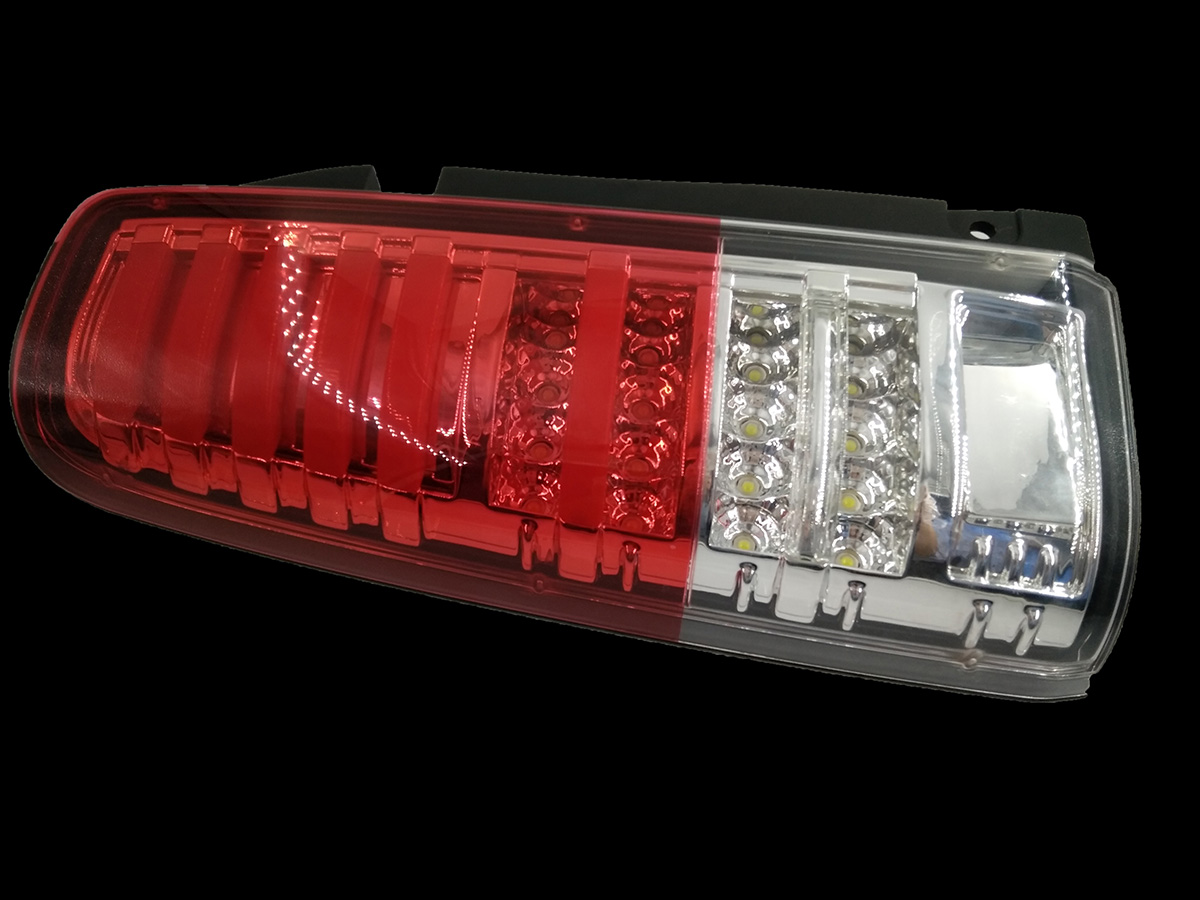
They also maintain strict environmental controls in machining areas—stable temperature and humidity levels prevent static buildup and micro-warping during extended operations.
Bole Solutions A Trusted Partner for Acrylic CNC Machining in China Among the many CNC service providers operating across China’s manufacturing hubs—including Shenzhen, Dongguan, and Suzhou—Bole Solutions has earned recognition for its specialized focus on plastic component manufacturing, particularly acrylic.
Founded in 2012 and headquartered in Dongguan, Bole Solutions combines ISO 9001-certified processes with deep application knowledge across industries ranging from retail display and automotive interiors to scientific instrumentation.
What sets Bole Solutions apart is its acrylic-first methodology.
Rather than treating acrylic as a secondary material alongside aluminum or stainless steel, the company dedicates specific CNC cells exclusively to thermoplastics.
Its engineers have developed over 30 standardized toolpath libraries for common acrylic thicknesses (from 2 mm to 50 mm), optimized for minimal heat generation and maximum edge integrity.
Every acrylic job undergoes a mandatory pre-machining simulation and a physical test cut on scrap material—verified by both machine operator and quality inspector—before full production begins.
Bole Solutions also provides value-added services critical for acrylic parts: precision flame-polishing for optical-grade edges, silk-screening and UV-curable printing directly onto machined surfaces, and custom packaging designed to prevent scratching during international transit.
Their bilingual engineering team collaborates seamlessly with clients during design for manufacturability (DFM) reviews—flagging potential stress concentrations, recommending radius adjustments for improved durability, or suggesting alternative mounting approaches that reduce secondary assembly steps.
Beyond technical execution, Bole Solutions prioritizes responsiveness and reliability.
With an average quotation turnaround under 24 hours and standard lead times of 7–10 business days for mid-volume orders, they support agile product development cycles without compromising on inspection rigor.
Clients receive full traceability—from raw material batch logs to final CMM reports—and enjoy direct access to project managers via WeChat, email, or video call throughout the process.
Strategic Sourcing Starts with the Right Partner Acrylic CNC machining in China is not simply about lower costs—it’s about accessing world-class capabilities at competitive price points.
The most successful international projects combine thoughtful design, material-aware manufacturing, and proactive communication.
As acrylic continues to replace glass in safety-critical and aesthetic applications, the demand for precision-machined components will only grow.
Companies that establish long-term relationships with experienced, transparent, and technically grounded partners—like Bole Solutions—gain more than finished parts.
They gain a scalable, responsive extension of their own engineering and production capabilities.
Whether you’re launching a new point-of-purchase display, developing a medical device housing, or iterating on a lighting diffuser design, beginning your acrylic CNC machining journey with a provider that understands both the physics of PMMA and the practicalities of global collaboration ensures better outcomes, faster time-to-market, and sustainable supply chain resilience.
In today’s competitive landscape, that distinction isn’t just advantageous—it’s essential.