CNC 가공에 대한 소재의 영향

CNC 가공에 대한 소재의 영향

목차

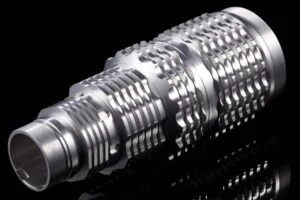
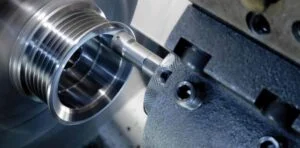
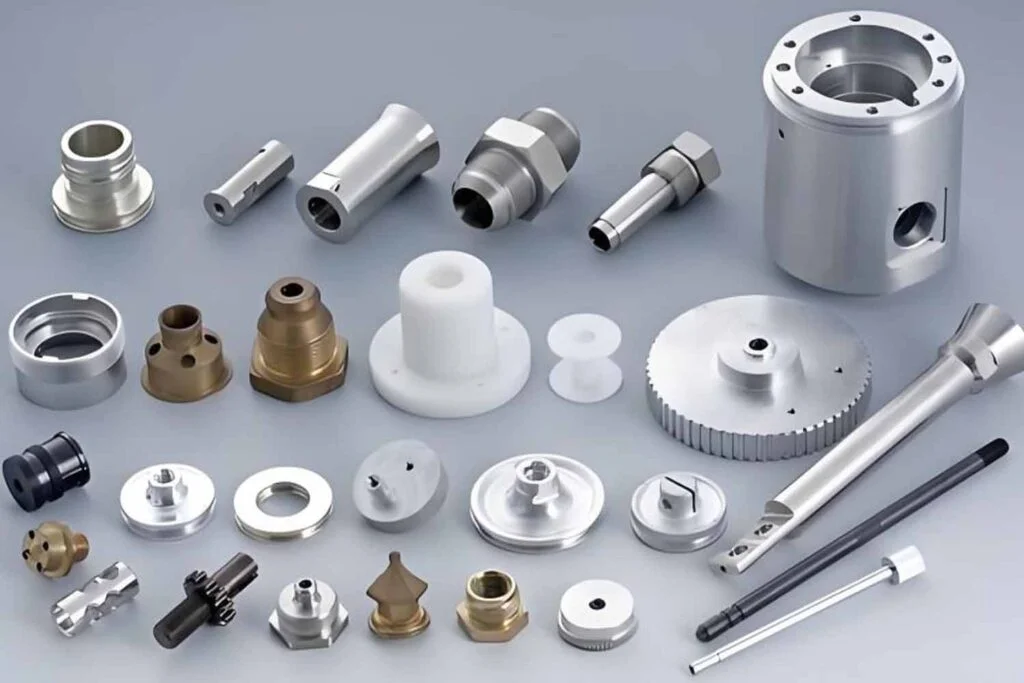
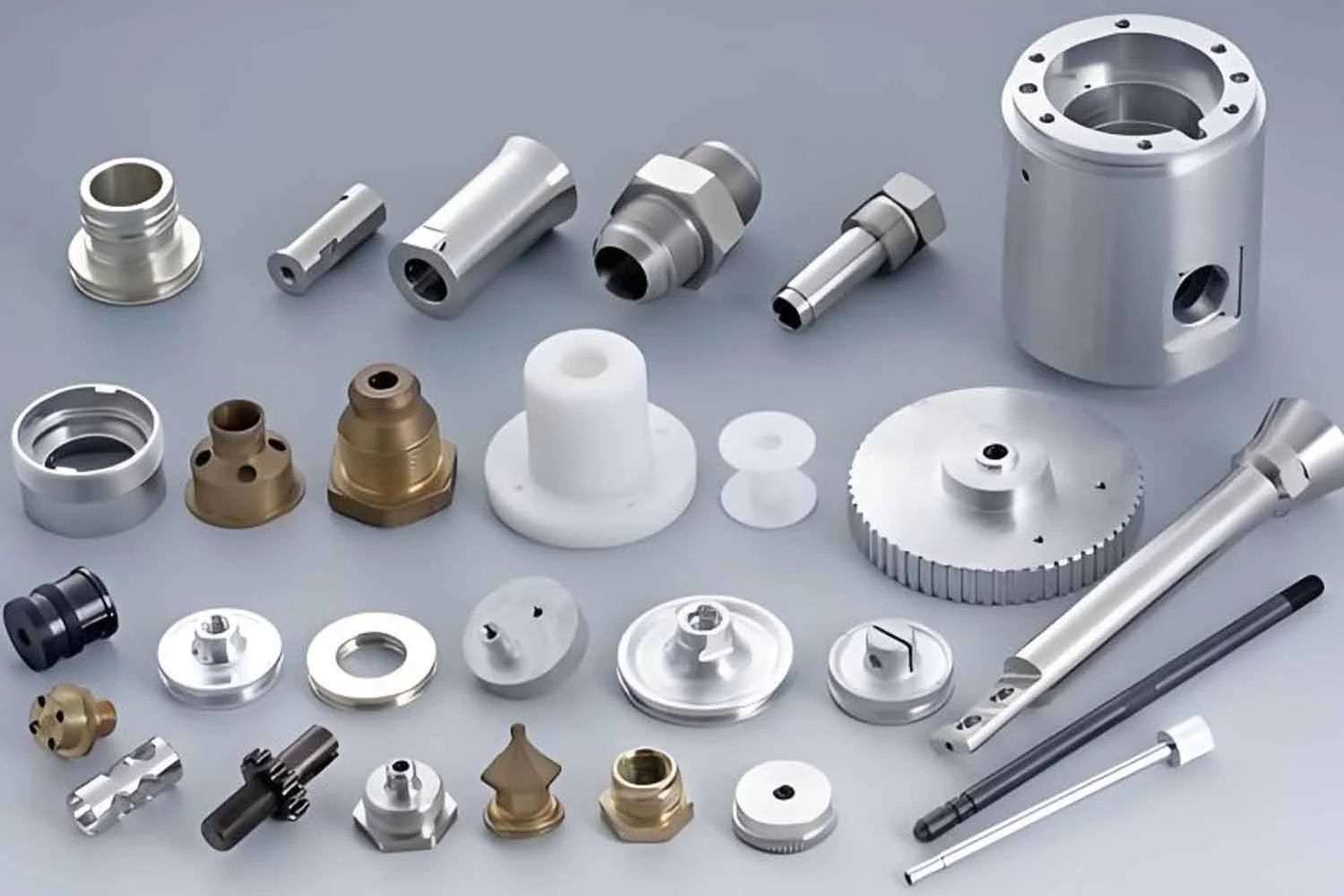
오늘은 소재가 CNC 가공에 미치는 영향에 대해 알아보겠습니다. CNC 가공은 가공되는 소재의 유형에 따라 크게 영향을 받으며, 각 소재마다 고유한 과제와 고려 사항이 있습니다. 다음은 다양한 재료와 관련된 몇 가지 주요 영향과 과제입니다.
CNC 가공에 대한 소재의 영향

기계 가공성: 일부 소재는 다른 소재보다 가공하기 쉽습니다. 예를 들어, 알루미늄은 일반적으로 부드러운 특성으로 인해 스테인리스 스틸보다 가공하기가 더 쉽습니다.

공구 마모: 티타늄 및 특정 강철과 같이 단단한 소재는 공구 마모를 증가시켜 공구를 더 자주 교체해야 하고 잠재적으로 비용이 증가할 수 있습니다.

절단 속도 및 이송 속도: 재료에 따라 절삭 속도와 이송 속도가 다릅니다. 예를 들어, 부드러운 소재는 더 빠른 속도로 가공할 수 있지만, 단단한 소재는 공구 손상을 방지하기 위해 더 느린 속도로 가공해야 할 수 있습니다.

열 전도성: 특정 플라스틱과 같이 열전도율이 낮은 재료는 가공 중에 열을 보유하여 녹거나 뒤틀릴 수 있습니다. 따라서 냉각 방법을 적절히 조정해야 할 수 있습니다.

표면 마감: 소재의 유형은 달성 가능한 표면 마감에 영향을 줍니다. 일부 소재는 원하는 품질을 얻기 위해 추가 마감 공정이 필요할 수 있습니다.

치수 안정성: 목재 및 특정 플라스틱과 같은 소재는 온도와 습도의 변화에 따라 팽창하거나 수축하여 가공된 부품의 정밀도에 영향을 줄 수 있습니다.

소재별 CNC 가공의 과제

재료 경도: 단단한 소재는 가공이 까다로워 특수한 도구나 기술(예: 고속 가공, 코팅)이 필요할 수 있습니다.

취성: 특정 세라믹과 같이 깨지기 쉬운 소재는 가공 중에 파손될 수 있으므로 신중한 취급과 가공 전략이 필요합니다.

칩 형성: 재료에 따라 다른 유형의 칩(예: 연속형과 세그먼트형)이 생산되어 가공 공정과 공구 수명에 영향을 줄 수 있습니다.

비용: 티타늄 및 특정 합금과 같은 일부 재료는 더 비싸고 더 많은 비용이 드는 가공 공정이 필요할 수 있어 전체 프로젝트 예산에 영향을 미칠 수 있습니다.

환경적 고려 사항: 특정 재료를 가공할 때 유해한 먼지나 연기가 발생할 수 있으므로(예: 특정 플라스틱 및 복합 재료) 적절한 안전 조치가 필요합니다.

설계의 복잡성: 일부 소재는 물리적 특성으로 인해 복잡한 디자인에 적합하지 않을 수 있으며, 이로 인해 디자인 가능성이 제한될 수 있습니다.

결론

CNC 가공에 대한 재료 특성의 영향을 이해하는 것은 공정을 최적화하고 품질을 보장하며 비용을 관리하는 데 매우 중요합니다. 제조업체는 올바른 소재와 가공 전략을 선택함으로써 이러한 문제를 극복하고 효율적이고 효과적인 가공 결과를 얻을 수 있습니다. 특정 소재나 프로젝트를 염두에 두고 계신다면 맞춤형 인사이트를 제공해 드릴 수 있습니다!
금속 가공 공정 모델링의 최근 발전 사항

Related Product and Procurement Links

Related Industrial Resources

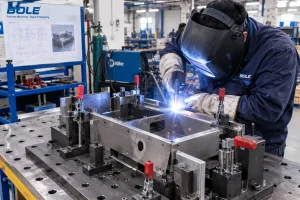
Sheet metal welding with locating fixtures and clamps
블로그

Why Does Sheet Metal Welding Cause Distortion?

— BOLE Precision Sheet Metal Fabrication Solutions Welding distortion is a common challenge in the production of sheet-metal assemblies such as enclosures, frames, and equipment housings. It directly affects dimensional accuracy, assembly fit, and appearance. Drawing on practical manufacturing experience, BOLE Precision Machining explains the causes and typical forms of welding distortion and shares practical

Read More »
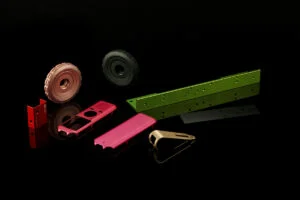
Colored anodized aluminum prototype finish examples
블로그

Clear Anodized CNC Parts: Agree Cosmetic Acceptance Criteria

For clear anodized CNC parts, agree appearance using identified surfaces, controlled reference samples and defined viewing conditions before production. “Clear” does not mean that every alloy, surface preparation or geometry will look identical. Separate functional finish requirements from cosmetic acceptance, and ask the supplier to review both against the actual drawing and material. Send quantity,

Read More »
Precision turned hollow metal component with external features
블로그

Custom CNC Threaded Tubes: Specify Bore and Gauge Approval

Custom CNC threaded tubes should be purchased from a controlled drawing that defines both the threaded interface and the hollow section. A thread that assembles successfully does not, by itself, establish bore size, wall condition or the geometry required elsewhere on the part. Send the mating-part details, material, quantity, finishing requirement and inspection expectations with

Read More »
CNC turning a hollow metal component
블로그

SUS 303 CNC Parts and Passivation: A Procurement Checklist

When sourcing SUS 303 CNC parts with a passivation requirement, connect the material designation, machining drawing and finishing acceptance plan before choosing a factory. Passivation is not a substitute for selecting a suitable alloy for the service environment, and a bright surface is not proof of successful treatment. Provide the intended exposure, required specification, quantity

Read More »
WhatsApp 이메일