CNC加工における材料の影響

CNC加工における材料の影響

目次

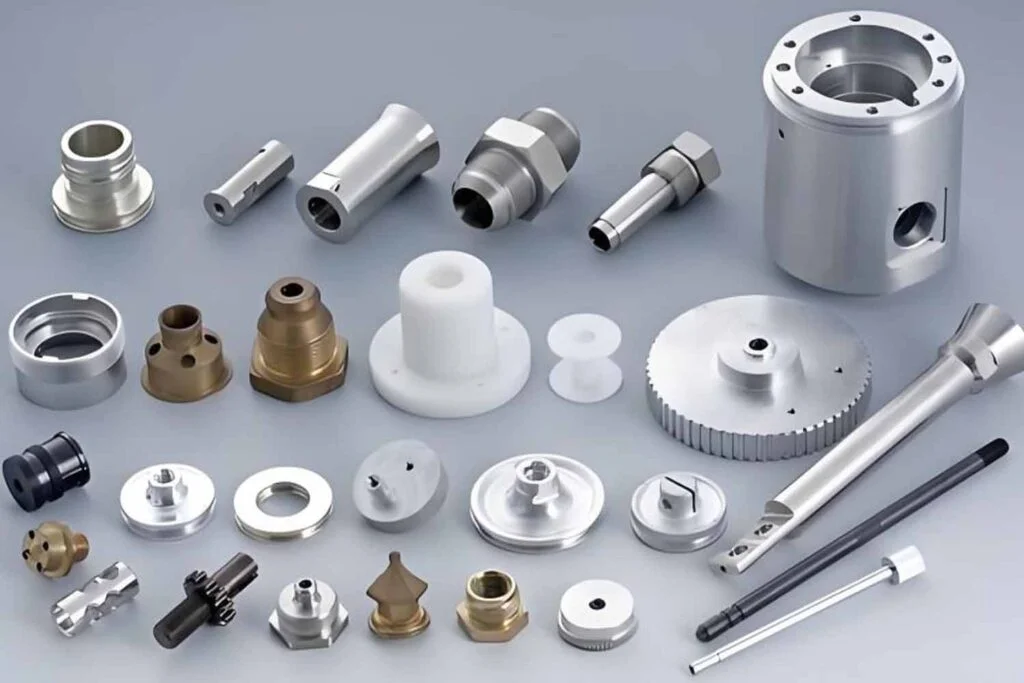
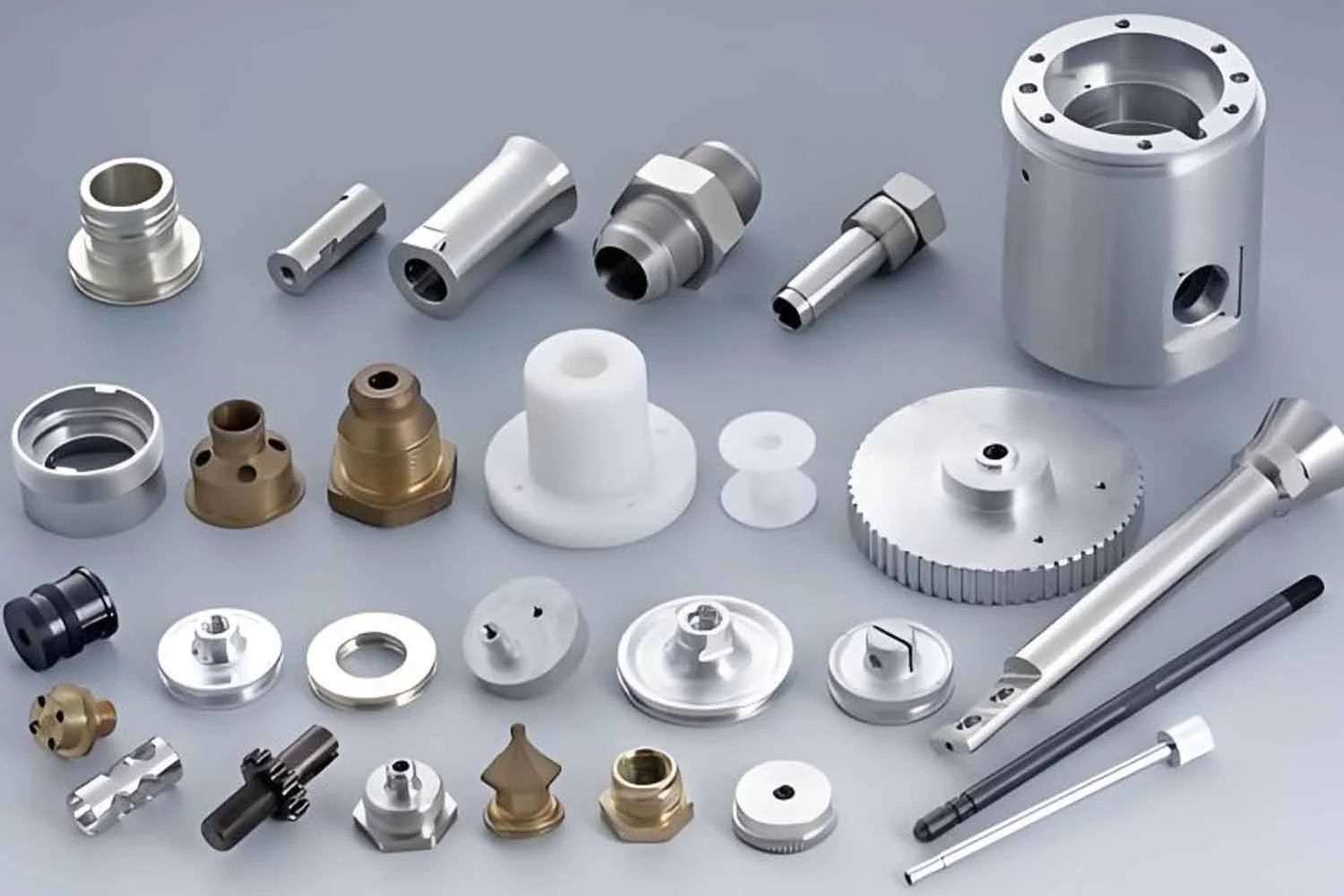
本日は、材料がCNC加工に与える影響についてご紹介します。CNC加工は、加工される材料の種類に大きく影響され、それぞれの材料には独自の課題と考慮すべき点があります。ここでは、様々な材料に関連する主な影響と課題をご紹介します。
CNC加工における材料の影響

加工性:機械加工が容易な素材もある。例えば、アルミニウムは柔らかいので、一般的にステンレス鋼よりも加工しやすい。

工具摩耗:硬度の高い材料(チタンや特定の鋼材など)は、工具の摩耗を増加させ、より頻繁な工具交換を必要とし、コストを増加させる可能性があります。

切削速度と送り速度:材料によって、必要とされる切削速度と送り速度は異なります。例えば、柔らかい材料は高速で加工できますが、硬い材料は工具の損傷を避けるために低速で加工する必要があります。

熱伝導率:熱伝導率の低い材料(特定のプラスチックなど)は、加工中に熱がこもりやすく、溶融や反りにつながることがあります。冷却方法を適宜調整する必要があります。

表面仕上げ:材料の種類は、達成可能な表面仕上げに影響する。素材によっては、希望する品質を達成するために追加の仕上げ工程が必要になる場合があります。

寸法安定性:木材や特定のプラスチックのような材料は、温度や湿度の変化によって膨張したり収縮したりすることがあり、加工部品の精度に影響を与えます。

素材別CNC加工の課題

素材硬度:硬い素材は加工が難しく、特殊な工具や技術(高速加工、コーティングなど)が必要になる。

脆さ:脆い材料(特定のセラミックのような)は、加工中に破壊する可能性があるため、慎重な取り扱いと加工戦略が必要となります。

チップ形成:異なる材料は、異なるタイプの切り屑(例えば、連続切り屑と分割切り屑)を生成し、加工プロセスや工具寿命に影響を与える可能性がある。

コスト:材料によっては(チタンや特定の合金のように)より高価で、より高価な機械加工工程を必要とする場合があり、プロジェクト全体の予算に影響を与えます。

環境への配慮:特定の材料を加工すると、有害な粉塵やヒュームが発生する場合があり(特定のプラスチックや複合材料など)、適切な安全対策が必要です。

デザインの複雑さ:素材によっては、その物理的特性から複雑なデザインに適さない場合があり、デザインの可能性が制限されることがあります。

結論

材料特性がCNC加工に与える影響を理解することは、プロセスの最適化、品質の確保、コスト管理にとって極めて重要です。正しい材料と加工戦略を選択することで、メーカーはこれらの課題を克服し、効率的で効果的な加工結果を得ることができます。特定の材料やプロジェクトを念頭に置いている場合は、よりカスタマイズされた洞察を提供することができます!
金属加工プロセスのモデリングにおける最近の進歩

Related Product and Procurement Links

Related Industrial Resources

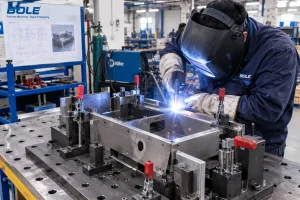
Sheet metal welding with locating fixtures and clamps
ブログ

Why Does Sheet Metal Welding Cause Distortion?

— BOLE Precision Sheet Metal Fabrication Solutions Welding distortion is a common challenge in the production of sheet-metal assemblies such as enclosures, frames, and equipment housings. It directly affects dimensional accuracy, assembly fit, and appearance. Drawing on practical manufacturing experience, BOLE Precision Machining explains the causes and typical forms of welding distortion and shares practical

Read More »
Colored anodized aluminum prototype finish examples
ブログ

Clear Anodized CNC Parts: Agree Cosmetic Acceptance Criteria

For clear anodized CNC parts, agree appearance using identified surfaces, controlled reference samples and defined viewing conditions before production. “Clear” does not mean that every alloy, surface preparation or geometry will look identical. Separate functional finish requirements from cosmetic acceptance, and ask the supplier to review both against the actual drawing and material. Send quantity,

Read More »
Precision turned hollow metal component with external features
ブログ

Custom CNC Threaded Tubes: Specify Bore and Gauge Approval

Custom CNC threaded tubes should be purchased from a controlled drawing that defines both the threaded interface and the hollow section. A thread that assembles successfully does not, by itself, establish bore size, wall condition or the geometry required elsewhere on the part. Send the mating-part details, material, quantity, finishing requirement and inspection expectations with

Read More »
CNC turning a hollow metal component
ブログ

SUS 303 CNC Parts and Passivation: A Procurement Checklist

When sourcing SUS 303 CNC parts with a passivation requirement, connect the material designation, machining drawing and finishing acceptance plan before choosing a factory. Passivation is not a substitute for selecting a suitable alloy for the service environment, and a bright surface is not proof of successful treatment. Provide the intended exposure, required specification, quantity

Read More »
WhatsApp 電子メール