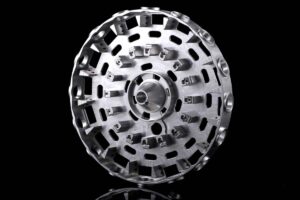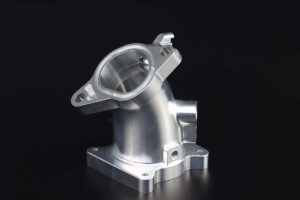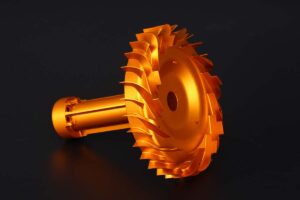
5-axis CNC machining is a practical manufacturing route for robotics aluminum parts that combine angled faces, deep pockets, compound contours, tight positional relationships, and several machined sides. It allows a qualified supplier to reach more features in fewer setups, which can reduce alignment error and simplify inspection planning. For an accurate B2B quotation, buyers should provide 3D CAD, a controlled 2D drawing, alloy and temper, surface finish, quantity, critical tolerances, inspection requirements, and the target delivery date. The process is best evaluated as part of a complete DFM, production, and quality-control plan rather than by machine type alone.
Suitable and Not Suitable Applications
This process is suitable for robot arm brackets, actuator housings, sensor mounts, end-effector bodies, joint components, lightweight structural frames, precision fixtures, and complex aluminum enclosures. It is especially useful when several faces must remain positionally related or when a three-axis process would need repeated reclamping. It is not automatically the best choice for simple flat plates, turned shafts, loose-tolerance brackets, or very high-volume parts designed for casting or extrusion. A DFM review should compare five-axis milling with three-axis machining, turning, sheet metal, extrusion, die casting, and a hybrid route before the buyer commits.
CAD and Drawing Data Needed for DFM
A supplier needs both geometry and purchasing context. Send a native or neutral 3D file such as STEP, together with a PDF or DWG drawing that controls dimensions, datums, threads, fits, edge breaks, surface roughness, coating masks, and inspection notes. Mark truly critical features instead of applying a tight general tolerance to the entire part. State the expected annual volume, prototype quantity, assembly interfaces, cosmetic surfaces, and whether first-article inspection or material certificates are required. If the design is confidential, request an NDA before transferring files. Complete inputs shorten clarification time and produce a more reliable quotation.
Choosing Aluminum Alloy and Stock Form
Common robotics parts use aluminum because it combines low mass, machinability, corrosion resistance, and finishing flexibility. The correct alloy depends on structural load, fatigue, thermal behavior, appearance, and supply requirements. Buyers should identify the alloy and temper on the drawing rather than writing only aluminum. They should also confirm whether the blank will be plate, bar, extrusion, forging, or near-net stock, because grain direction, residual stress, stock allowance, and availability can affect cost and distortion. Thin walls and long pockets may need stress-relieved material, balanced machining, intermediate inspection, or a revised feature sequence.
Tolerances, Datums, and Setup Strategy
Five-axis capability does not make every dimension automatically precise. Accuracy depends on machine condition, tool reach, fixturing, datum selection, thermal control, probing, and the relationship between operations. Define a functional datum structure that matches the final assembly. Use geometric tolerancing where position, flatness, perpendicularity, or profile controls function better than plus-minus dimensions. Ask how the supplier will locate the part, protect thin sections, reach undercuts, and verify features after coating. Reducing unnecessary tight tolerances can lower cycle time and inspection effort while preserving the interfaces that matter to the robot assembly.
Surface Finish and Post-Machining Operations
Robotics aluminum parts may require bead blasting, anodizing, hard anodizing, chem film, powder coating, polishing, laser marking, threaded inserts, or assembly. Each finish changes design and inspection considerations. Anodizing can affect threaded features, close fits, conductivity points, and color consistency between batches. Cosmetic faces should be identified in advance, with an approved sample or appearance standard where needed. Specify masking, rack-mark locations, gloss, color reference, and whether dimensions are controlled before or after finishing. Confirm that machining, finishing, inspection, and packaging responsibilities are clear so defects are not passed between separate vendors.
Quality Control for Robotics Components
A useful quality plan links each critical requirement to a measurable inspection method. Depending on geometry, the supplier may use a CMM, height gauge, micrometer, bore gauge, thread gauge, optical system, surface roughness tester, or functional fixture. Buyers should state the sampling level, report format, first-article needs, material traceability, and whether serialized records are required. For repeat orders, a controlled revision, approved sample, inspection checklist, and nonconformance process help maintain consistency. Packaging should protect machined edges, sealing faces, threads, and cosmetic surfaces from impact and abrasion during international transport.
Prototype, Pilot, and Production Planning
The first prototype should prove assembly fit, tool access, inspection feasibility, and finish appearance—not only whether a part can be cut. After design approval, a pilot batch can verify cycle time, fixture repeatability, supplier capacity, and packaging. For production, confirm batch size, forecast, change-control rules, spare quantity, and how long fixtures and programs will be retained. Buyers should compare total landed cost, including programming, fixtures, inspection, finishing, rejects, packaging, and freight. A stable supplier should explain assumptions and risks rather than quote an unrealistically low unit price from incomplete data.
RFQ Checklist for a Comparable Quote
To receive comparable quotations, provide the latest 3D and 2D files, drawing revision, aluminum grade and temper, quantity for prototype and production, tolerance and datum requirements, finish specification, inspection documents, packaging method, delivery destination, and target schedule. Identify parts that belong to the same assembly and note any mating components. Ask the supplier to separate one-time engineering or fixture charges from unit pricing and to list excluded operations. A complete RFQ lets engineering review manufacturability and helps procurement compare scope, risk, and quality instead of comparing only the lowest number.
Buyer Need Comparison
| Buyer Need | Recommended Product | Key Specification | Why It Matters |
|---|---|---|---|
| Compound robot joint | 5-axis milled aluminum body | Datums, profile, bearing fits | Reduces setup changes while preserving feature relationships |
| Sensor or camera mount | Precision aluminum bracket | Position, surface finish, insert details | Supports repeatable alignment and clean assembly |
| Simple structural plate | 3-axis machining or sheet metal | Flatness, holes, bend requirements | Avoids unnecessary five-axis cost |
Frequently Asked Questions
What information should I provide before requesting a quote?
Send the current STEP file and controlled 2D drawing, material grade and temper, prototype and production quantities, critical dimensions, geometric tolerances, finish, inspection documents, packaging, destination, and delivery target. Mark cosmetic and assembly surfaces. If files are confidential, request an NDA first. Complete data allows the supplier to review tool access, fixturing, distortion, finishing allowance, and inspection scope before pricing.
When is five-axis machining better than three-axis machining?
Five-axis machining is valuable when a component has features on several faces, complex contours, angled holes, or positional relationships that are difficult to hold after repeated reclamping. Three-axis machining can be more economical for plates, simple pockets, and accessible features. The correct choice depends on geometry, tolerance, quantity, setup time, and inspection. Ask the supplier to explain the proposed process and any alternative route during DFM.
How should buyers specify tolerances for robotics parts?
Use functional datums and apply tight tolerances only where assembly, motion, sealing, bearing location, or sensor alignment requires them. Add geometric controls when they communicate function more clearly than general plus-minus limits. Identify whether dimensions apply before or after finishing. Over-tolerancing every feature increases machining and inspection cost and may create unnecessary rejection risk without improving robot performance.
Can aluminum parts be anodized after machining?
Yes, many machined aluminum parts are anodized, but the drawing should define alloy, color, type, thickness when known, masking areas, conductivity points, threaded features, cosmetic faces, and dimensional requirements after coating. Color can vary with alloy, batch, surface preparation, and part geometry. Buyers who need consistent appearance should approve a finish sample and agree on an acceptance standard before production.
What quality records should a B2B buyer request?
Request records that match the part risk: material certification, first-article report, critical-dimension inspection, CMM report, finish certificate, visual inspection standard, or lot traceability. Not every part needs every document. Define the required format, sampling level, revision, and retention period in the purchase order. This avoids adding paperwork after production and ensures the quotation includes the real inspection workload.
Image Suggestions
- Five-axis machining center cutting a robotics aluminum housing — alt text: 5-axis CNC machining robotics aluminum housing in production
- CMM inspection of critical datums on a machined robot joint — alt text: CMM inspection for precision robotics aluminum parts
- Anodized aluminum robotics components in protective export packaging — alt text: Anodized robotics aluminum parts prepared for B2B shipment
Internal Links and Next Step
Review the related product and capability information, then use the project contact page to send specifications for an engineering review and custom quotation.
Lead Qualification Questions
- What robotics component and assembly function is involved?
- Which aluminum alloy, temper, and surface finish are required?
- What are the prototype, batch, and annual quantities?
- Which dimensions and datums are function-critical?
- What inspection reports, certifications, and delivery date are required?
Request a Project Quotation
To receive an accurate quotation, please send the product model or application, project country and operating environment, required quantity, key specifications or drawings, custom logo or packaging needs where relevant, certification or testing requirements, and target delivery time. Clear technical and commercial inputs help the engineering and sales team recommend the right solution and respond faster. This page supports B2B project, wholesale, distributor, and OEM/ODM inquiries rather than one-piece retail requests.