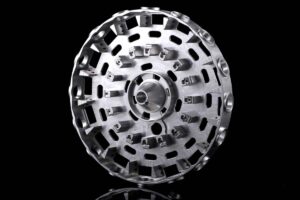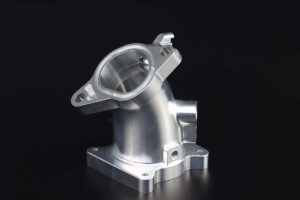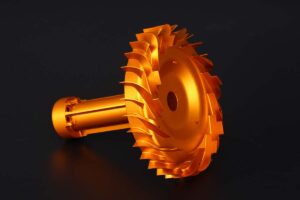
5-axis CNC manifolds for hydrogen test benches should be sourced from a released pressure-boundary design, documented gas service, port and valve interfaces, approved alloy, seal geometry, cleanliness level, inspection plan, test scope, traceability, batch quantity, and delivery schedule. Hydrogen-component developers, electrolyzer and fuel-cell laboratories, valve makers, sensor manufacturers, energy-equipment OEMs, and test-system integrators should send native CAD, controlled drawings, pressure and temperature limits, applicable standards, mating-component data, and acceptance criteria. The machining supplier can then review access, datums, burr control, distortion, cleaning, inspection, and packaging without claiming that a machined block alone certifies the complete hydrogen system.
Suitable for and Not Suitable for
This procurement route is suitable for prototype, validation, pilot, and repeat-production manifold blocks used in controlled laboratory or industrial test equipment where the responsible engineering team owns the pressure design and supplies complete manufacturing requirements. It is suitable for design-for-manufacture review before release and for revision-controlled replacement batches. It is not suitable for reverse engineering an unidentified pressure component, selecting material from a generic gas label, copying a port layout from photographs, or operating a machined block without validated valves, seals, fasteners, tubing, controls, ventilation, leak detection, guarding, and emergency procedures. The system owner remains responsible for pressure integrity, hydrogen compatibility, functional safety, certification, assembly, commissioning, and site compliance.
Define Pressure, Temperature, Gas, and Duty Cycle
State whether the bench tests valves, regulators, sensors, stacks, fuel-cell components, electrolyzer components, storage hardware, or another assembly. Provide the exact process gas and purity, moisture and contaminant limits, normal and maximum allowable pressure, vacuum exposure, minimum and maximum temperature, pressure ramp, cycle count, hold time, flow range, purge sequence, cleaning media, expected life, and failure-containment strategy. Distinguish development testing from production end-of-line testing because cycle rate, automation, documentation, and spare strategy differ. Identify every port function, isolation boundary, vent, drain, purge, sensor, relief path, and mounting interface so the quotation covers the real duty rather than a generic manifold shape.
Freeze Datums, Ports, Seal Lands, and Final-State Dimensions
Supply native 3D CAD plus a controlled 2D drawing with units, revision, material, datum scheme, geometric tolerances, port standards, thread class, counterbores, cross holes, sealing surfaces, O-ring grooves, edge breaks, surface texture, marking, and inspection characteristics. Concentrate tight control on features that affect sealing, valve alignment, sensor position, tube fit, mounting, and flow-path continuity instead of applying extreme tolerance everywhere. Account for passivation, electropolishing, plating, or other post-machining treatment in the final dimensions. Agree on thread gauges, surface-finish measurement, CMM access, bore inspection, and inaccessible-intersection acceptance before cutting material, especially where long tools or multiple setups can create position or burr risk.
Control Material, Burrs, Cleanliness, and Traceability
Name the exact alloy, specification, stock form, heat or temper condition, certificate level, approved source, and prohibited substitutions. Hydrogen compatibility depends on pressure, temperature, stress, material condition, surface state, cycling, contaminants, and governing design rules; the machine shop should not silently replace a released material. Define how intersecting passages are machined, deburred, inspected, flushed, dried, capped, and protected. Loose chips, abrasive residue, oil, lint, or corrosion products must not remain in the flow path. Specify material-lot traceability, traveler records, nonconformance control, cleaning batch, packaging identity, and any chain-of-custody requirement. Objective records should connect the delivered serial or lot to the released drawing and approved process.
Specify Inspection and Pressure-Test Scope
Build a risk-based plan covering material identity, dimensions, port position, threads, seal geometry, flatness, surface texture, passage continuity, burr condition, cleanliness, treatment, marking, and visual condition. If a pressure, proof, leak, helium, pneumatic, or hydrostatic test is required, the buyer must define the specimen configuration, temporary closures, test medium, pressure, ramp, hold time, temperature, acceptance limit, calibration, drying, safety controls, and report format. A body-level test does not validate the assembled valves, seals, tubing, controls, relief devices, or test bench. First-article records should be reviewed before repeat production, and changes to stock source, fixture, program, tool, treatment, cleaning, inspection, or packaging should require approval.
RFQ Checklist for Hydrogen Test Manifolds
Send the bench function, gas and purity, contaminants, pressure and vacuum range, temperature range, flow, duty cycle, purge and cleaning sequence, native CAD, controlled drawings, port and valve interfaces, approved alloy and certificate requirements, seal information, surface treatment, critical tolerances, cleanliness specification, inspection and test plan, marking, serial or lot traceability, prototype and annual quantities, destination, and required date. State whether an NDA, first-article report, material certificate, treatment certificate, pressure or leak test, cleanliness record, measurement data, and retained sample are required. Identify the technical approver so questions are closed before material release.
Procurement Comparison
| Review area | Buyer input | Acceptance evidence |
|---|---|---|
| Pressure duty | Gas, pressure, temperature, cycles | Released design and duty envelope |
| Functional geometry | Ports, seals, valves, datums | Drawing and first-article record |
| Process control | Material, burrs, cleaning, treatment | Lot and process traceability |
| Acceptance | Inspection, leak test, documents | Approved report package |
Frequently Asked Questions
What files are needed for a hydrogen manifold quotation?
Send native 3D CAD, a controlled 2D drawing, revision, gas and purity, pressure and temperature limits, cycle profile, port and seal interfaces, released alloy, treatment, cleanliness, critical tolerances, inspection and test requirements, prototype and annual quantities, destination, schedule, NDA, and document list. Identify the responsible pressure-design approver before manufacturing questions begin.
Can the machine shop select the alloy for hydrogen service?
The responsible engineering team should release the material after reviewing pressure, temperature, stress, cycling, stock condition, manufacturing route, surface state, contaminants, and applicable rules. A machining supplier can provide availability and manufacturability feedback, but should not substitute material without written approval. Material certificates support identity; they do not independently certify the completed pressure system.
How are burrs in cross-drilled passages verified?
Define every inaccessible intersection and the accepted edge condition. The route may combine tool-path control, mechanical deburring, an approved secondary process, flushing, borescope inspection, replica methods, or other objective evidence. The chosen method must preserve dimensions, threads, seal lands, surface condition, and material properties while confirming that no loose chips or abrasive residue remain.
Does a pressure test certify the finished hydrogen bench?
No. It verifies only the defined specimen, closures, medium, pressure, ramp, hold time, temperature, instrumentation, and acceptance limit. Final performance also depends on valves, seals, fasteners, tubing, sensors, controls, relief devices, ventilation, assembly, software, and site procedures. The system owner must define component and system qualification separately.
How should repeat batches be controlled after first article?
Freeze the accepted CAD, drawing, material source, stock condition, fixture, program, tool plan, deburring, treatment, cleaning, inspection, test method, marking, packaging, and reference sample. Require written approval before substitutions or process changes. Link each delivered serial or lot to measurement, material, treatment, cleaning, test, and nonconformance records for auditable repeat supply.
Image Suggestions
- Five-axis machining of a stainless test manifold — alt: 5-axis CNC manifolds for hydrogen test benches
- Borescope inspection of intersecting manifold passages — alt: hydrogen test manifold cross-hole inspection
- Cleaned and capped manifold blocks with lot labels — alt: traceable hydrogen test manifold packaging
Internal Links and Next Step
Review the related product and capability information, then use the official project contact page to send specifications for an engineering review and quotation.
Lead Qualification Questions
- What is the exact application, operating environment, and project country?
- Which model, drawing, material, size, or performance requirements apply?
- What quantity, forecast, samples, testing, and documentation are needed?
- What packaging, labeling, certification, destination, and delivery date apply?
- Who will approve the technical specification and first article?
Request a B2B Project Quotation
Send the application, technical data, required quantity, project schedule, destination, drawings or photos, testing and documentation needs, and purchasing contact. The team can then review suitability, identify missing inputs, and prepare a project-specific response. This guide supports industrial projects, distributors, contractors, system integrators, and OEM or ODM programs rather than one-piece retail purchasing.