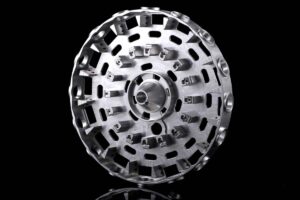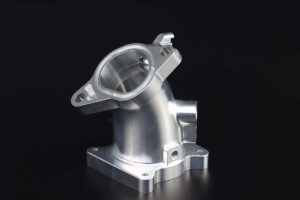
5-axis CNC machining manifolds for hydrogen test skids requires a controlled engineering package for geometry, pressure boundary, sealing, materials, cleanliness, inspection, and traceability. Equipment builders, valve and sensor integrators, laboratory-system OEMs, and energy-project contractors should identify the actual process media, operating and proof conditions, ports, instruments, mounting datums, allowable leakage, cleaning route, quantity, and destination requirements before requesting a quotation. These inputs let the machining supplier review stock, tool access, intersecting passages, sealing faces, burr removal, plugs, inspection, and documentation without inventing pressure ratings or assuming that a visually similar block is suitable for the buyer's complete system.
Best Applications and Important Limits
This sourcing approach is suitable for custom distribution blocks, sensor manifolds, valve-interface bodies, calibration fixtures, and prototype or low-volume skid components whose requirements are defined by an equipment engineer. It is not suitable for copying an unknown manifold, declaring a pressure rating from material alone, or treating a machined block as a certified hydrogen assembly. The buyer remains responsible for system design, hazard analysis, codes, valves, tubing, fasteners, seals, relief devices, controls, commissioning, and jurisdictional approval. The machining supplier should quote the released component specification, identify manufacturing assumptions, and support documented dimensional and workmanship evidence. Any pressure, leak, cleanliness, or material claim must use the buyer-approved method and acceptance limit.
Freeze Media, Pressure, Temperature, and Materials
State the exact gas or liquid composition for every operating, purging, cleaning, testing, and storage condition. Provide minimum, normal, maximum, transient, proof, and prohibited pressures; temperature range; cycle count; pressure rate; external loads; vibration; and environment. Name the required alloy, temper, stock form, certificate, heat or lot traceability, and any restrictions on substitutions. Material compatibility, hydrogen effects, corrosion, and code treatment depend on the complete application and cannot be inferred from a generic stainless or aluminum note. Identify every inserted or assembled item, including plugs, seats, threads, gaskets, O-rings, valves, and fittings, and separate supplier-furnished items from components installed by the skid builder.
Design Ports, Passages, and Sealing Datums
Provide native CAD and a controlled drawing that identifies primary mounting datums, port standards, thread forms, spot faces, counterbores, seal grooves, tube and valve clearances, passage diameters, intersections, minimum walls, plugs, vent and drain features, and prohibited breakout zones. Show which faces and bores create the pressure boundary and which relationships control sensor or valve alignment. Intersecting drilled passages need an explicit deburring and inspection plan because hidden burrs can detach or obstruct flow. Avoid applying a tight general tolerance to the whole part. Use functional geometric controls for sealing faces, port axes, mounting patterns, and valve interfaces, and specify whether finish thickness is included in the released dimensions.
Plan Machining, Cleaning, and Assembly Scope
The route may include stock identification, roughing, stabilization, multi-axis finishing, deep drilling, thread production, controlled deburring, passage inspection, washing, drying, protective packaging, and installation of approved inserts or plugs. Define permitted cutting fluids, cleaning agents, rinsing, particle and residue expectations, drying, caps, bags, and storage. If oxygen-clean, high-purity, or another special condition is required, provide the exact buyer-approved procedure and evidence; do not rely on an undefined clean label. Clarify whether the supplier delivers a bare manifold, installs fittings, or performs a partial pressure or leak test. Assembly torque, lubricants, seal lots, replacement rules, and rework limits should be written before the first article is released.
Build a Verifiable Inspection and Release Package
Mark critical dimensions and define the first-article, sampling, and final-release requirements. Evidence may include material certificates, heat or lot traceability, dimensional reports, CMM results, calibrated thread and port gauges, surface-finish checks, bore or passage inspection, mass, cleanliness records, approved pressure or leak testing, photographs, serialization, and packing verification. The buyer should state the test medium, pressure, dwell, temperature, instrumentation, calibration, acceptance, drying, and safety controls. A successful component test does not certify the complete skid. Freeze CAD, drawing revision, material source, machining program, fixtures, cleaning route, test method, inspection plan, marking, and packaging after approval, with written review before any change.
Procurement Comparison
| Review area | Buyer input | Acceptance evidence |
|---|---|---|
| Duty | Media, pressure, temperature, cycles | Approved component limits and assumptions |
| Interfaces | Ports, seals, datums, valve clearances | Drawing and representative fit checks |
| Quality | Passages, burrs, cleanliness, leakage | Controlled inspection and test records |
| Supply | Prototype, forecast, documents, delivery | Released first article and change control |
Frequently Asked Questions
What should a hydrogen manifold RFQ contain?
Send native CAD, a revision-controlled drawing, complete media and pressure envelope, temperature, cycles, port and seal standards, alloy, traceability, cleanliness, leak or pressure-test method, inspection, assembly scope, quantities, forecast, destination, and schedule. Identify the responsible system engineer and any applicable code or documentation requirement.
Can the supplier assign the manifold pressure rating?
Not from geometry and material alone. Rating depends on the complete design, stress evaluation, passages, walls, threads, plugs, seals, temperature, cycles, defects, test method, manufacturing controls, assembly, and applicable requirements. The buyer's qualified engineering process should define and approve limits while the supplier manufactures and verifies the released component.
How are hidden passage burrs controlled?
Identify all intersections on the drawing, choose accessible drilling and deburring routes, define prohibited residual burrs, and use suitable visual, borescope, flushing, flow, weight, or other approved inspection. Retain representative evidence and control tool condition. A general deburr note alone may be insufficient for deep intersecting passages.
Which surfaces need special control?
Prioritize mounting datums, port axes, thread gauges, sealing faces, gasket grooves, spot faces, valve interfaces, sensor locations, plug seats, minimum walls, and passage intersections. State roughness, flatness, position, edge condition, coating masks, and inspection method only where function requires them, then align the first-article report to those features.
What records support repeat production?
Retain material and lot records, approved drawings, machining and fixture revisions, inspection results, cleaning route, test procedure, instrument calibration, part or batch identity, nonconformance disposition, packing checks, and approved first-article evidence. Require written review before changing stock, tooling strategy, subcontractors, cleaning, testing, plugs, seals, or packaging.
Image Suggestions
- Five-axis machining of a multi-port manifold block — alt: 5-axis CNC machining manifold for hydrogen test skid
- Borescope inspection of intersecting manifold passages — alt: inspection of deburred manifold internal passages
- Traceable manifolds capped and packed after testing — alt: traceable machined manifolds for test skid assembly
Internal Links and Next Step
Review the related product and capability information, then use the official project contact page to send specifications for an engineering review and quotation.
Lead Qualification Questions
- What is the exact application, operating environment, and project country?
- Which model, drawing, material, size, or performance requirements apply?
- What quantity, forecast, samples, testing, and documentation are needed?
- What packaging, labeling, certification, destination, and delivery date apply?
- Who will approve the technical specification and first article?
Request a B2B Project Quotation
Send the application, technical data, required quantity, project schedule, destination, drawings or photos, testing and documentation needs, and purchasing contact. The team can then review suitability, identify missing inputs, and prepare a project-specific response. This guide supports industrial projects, distributors, contractors, system integrators, and OEM or ODM programs rather than one-piece retail purchasing.